
PART 1:
So, first things first – what is immunity?
In the human body, your immune system provides various layers of defence against harmful microorganisms, bacteria, viruses, and fungi. For example, your skin is a physical barrier, and we also have chemical barriers, such as the sticky mucus that lines your respiratory tract and stops unwanted particles from getting into your lungs. When any of these harmful organisms try to get into our body, an immune response is activated – a key feature of the immune response involves our white blood cells. There are a few special types of white blood cells – these are B cells, T cells, and natural killer cells – and during the immune response, these are activated and sent to the site of infection to destroy the invading organisms. However, if your immune system is weakened, these cells aren’t activated properly and so the bacteria or virus isn’t destroyed and can cause harm to your body.
So, what exactly causes your immune system to be weakened? Well, a few key factors are poor sleep quality, stress, heavy exercise, and inadequate nutrition. So, in this series of posts, we’re going to discuss these factors and what you can do to maintain the health of your immune system.
Let’s take a look at nutrition first.
Nutrition and immunity are very closely linked because your body requires enough fuel and the right kind of fuel to maintain this defence barrier and, essentially, be ready to put up a fight when needed. So firstly, it’s important that you eat enough calories, so all the systems in your body, including your immune system have enough energy to function at their best. Although now may seem like a good time to go on a diet, because maybe you’re not as physically active as usual, or you’re just bored and looking for a personal challenge – it’s important that you don’t drastically reduce your calorie intake. If you’re more active than normal, eat a little more; if you’re less active than normal, eat a little less – that’s fine, but don’t go on any crash diets, as ultimately, it will be your immune system which takes the fall. Also, make sure you’re eating enough carbohydrates – don’t go on a keto diet – you want to be getting around 50% of your daily energy intake from carbohydrates, and possibly more if you’re exercising. Good sources of carbs are pasta, rice, bread, potatoes, oats, cereals, and fruit – and choose wholegrain options where you can, as they’ll give you an extra fibre boost and tend to contain more vitamins and minerals than the white, processed versions.
So, we know that how much fuel you get is important for immunity, but what about the type of fuel?
This is where micronutrients play a role. Micronutrients are vitamins and minerals which are found in small amounts in the foods we eat and are essential for the overall functioning of the human body. There are some micronutrients in particular which are needed to maintain the function of the immune system. We’re going to look at vitamins A, C, D & E and zinc. So, vitamins A, C & E can be grouped, because these are what are called antioxidant vitamins – so they protect the body by reducing the production of free-radicals, which are unstable and highly reactive atoms that cause damage to healthy cells and contribute to disease. Although the antioxidant vitamins work as a team, they each have their own responsibilities. For instance, vitamin A maintains the health of epithelial cells, which are cells that line pretty much every surface in the body, and they act as the “front line” of defence against any harmful substances that are trying to get into your cells. So, if you don’t get enough vitamin A through your diet, this front-line defence barrier can be weakened, making you more susceptible to illness and infections. Good sources of vitamin A include beef liver, sweet potato, tuna, carrots, spinach, and fortified cereals, grains & milks.
On the other hand, vitamin E affects the key cells involved in the immune response – you may remember the three types of white blood cells; we’ve got B cells, T cells, and natural killer cells – which essentially eat up, destroy, and remove any organisms that we don’t want in our body’s. Good sources of vitamin E include vegetable oils e.g. sunflower, corn, walnut, and soybean; nuts; and seeds.
The final antioxidant vitamin – vitamin C – is almost a combination of the two; it helps maintain our cell lining and also interacts with immune cells. Sometimes taking extra vitamin C when you’ve got a cold can help reduce the symptoms. Good sources of vitamin C include citrus fruits, broccoli, peppers, and green leafy veg.
Another vitamin to consider is vitamin D. Now many of us associate vitamin D with our skin and bone health and going back to when many people would develop rickets from not getting enough sunlight. But as well as being essential for bone health, vitamin D is now recognised to have an important role in immunity because those who are deficient in vitamin D have a weakened immune system and are more at risk of getting infections. You can get vitamin D through the diet and many staple foods are now fortified with vitamin D, such as milk products and cereals. Good sources of vitamin D include, oily fish, beef liver, egg yolks, cheese, but most of the vitamin D we get comes from sunlight. Obviously, due to current circumstances, you may be spending more time indoors than usual, so take advantage of being able to go outside when and if you can – whether it’s for an hour of exercise, or simply sitting in your garden or on a balcony in the sunshine and getting a dose of vitamin D. If you’re fully isolated or don’t have access to an outdoor space, you may wish to consider a vitamin D supplement until you’re able to get natural sunlight again.
Finally, we’re going to look at zinc, which is a trace element, meaning you only need very small amounts of it. However, if you are deficient in zinc, this can weaken your immune system, again because of those white blood cells – the B cells, T cells, and natural killer cells – which are triggered during the immune response. These cells don’t do their job as well as they can if you don’t have enough zinc. Good sources of zinc include meat, shellfish, legumes, seeds, nuts, dairy, and fortified cereals. Zinc is also a great one is you feel a cold coming on – you can take zinc acetate lozenges, which can help reduce the severity and duration of your cold symptoms.
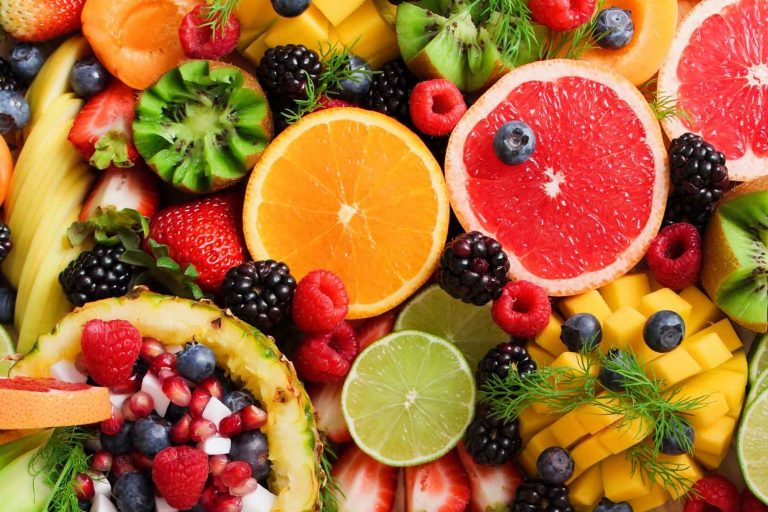
In general, if you eat a balanced diet with several portions of fruit and veg a day, you shouldn’t suffer any vitamin or mineral deficiencies.
But if you think the quality of your diet isn’t as good as normal, or you simply know you’re not good at eating enough fruit and veg, you may want to consider a multivitamin supplement to guarantee you’re meeting your requirements.
So, the key messages when it comes to nutrition and immunity are: eat enough calories to meet your daily needs; don’t cut out carbohydrates; don’t go on a crash diet or a very low-calorie diet; get some sunlight if you can, and eat a variety of fruit and veg or take a daily multivitamin. Remember that your diet is a big factor when it comes to maintaining your overall health, and especially your immunity.