
One in seven people in the UK are affected by migraines: the most common nerve-related condition in the world.
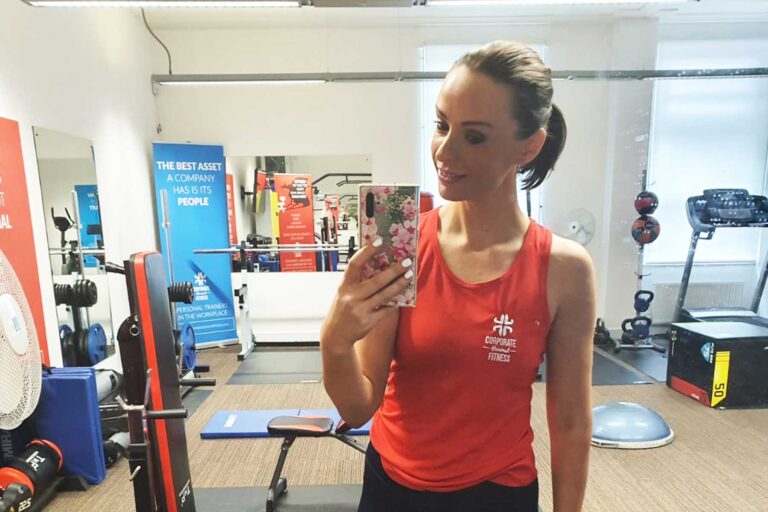
Expert personal trainer and sports therapist, Louise Turner, works at Corporate Personal Wellbeing. She has had her fair share of migraines and knows how to manage them. She now helps others with her unique knowledge and personal experience.
“If you’re one of those unfortunate one in seven people, I’m sure you will agree that it is more than just a headache,” says Louise.
“Feeling sick, being sick, having difficulty speaking, experiencing dizziness, visual loss or disturbances, sweating, confusion and of course there is most excruciating pain in your head that sets in and can last from anywhere from 24-72 hours, is utterly debilitating.”
Sufferers will have endless trips back and forth from the doctors, keeping food diaries, recording hormonal patterns and sleep patterns, measuring alcohol consumption. They are all methods to try and identify the cause, the trigger for your migraines.
Some people will find the trigger quite early on and can manage and control their attacks with medication. Some of the most common triggers are, particular foods, lack of or too much sleep, alcohol, hormones, back and neck tension and of course stress.
Not knowing the cause of your migraines brings so much anxiety and can even add to that stress. The worrying and praying that you don’t have an attack, the day you’re travelling on holiday, during the important interview, on your wedding day is awful, And the list is endless. Because of worrying about it so much, the chances are… you’ll get one.
“I’ve met many migraine sufferers through my career in fitness and sports therapy,” says Louise. “I literally feel their pain. I speak from experience having suffered from debilitating migraines since the age of 13.
“When I was 18, my doctor discovered I had extremely high blood pressure due to narrowed arteries in my heart which was one of the main causes of my migraines. Thankfully, I had stents put in and started taking beta-blockers which controlled everything.
“I decided to take a holistic approach to things when I was younger and that’s why I’m in this career. Now, I only get the occasional migraine if I’m stressed.”
For many people, neck tension and everyday stresses and strains cause migraines. If the muscles in your upper back and neck are tight, this can contribute to your attacks. There are many different methods of massage that help lessen the frequency of migraine attacks.
From sports massage to acupuncture and reflexology, finding something that helps your body relax and switch off regularly really helps.
“It’s not a case of one size fits all,” explains Louise. “Some of my clients find having a deep tissue massage on their neck and shoulders once a month helps. Whereas some clients prefer reflexology where we apply pressure to the reflex points of the feet that correspond to the head, giving a very calming effect.
“Everyone has their own story and experience and over the years I’ve bonded with my ‘migraine’ clients as you really only know what it’s like to live with it, having had it yourself. Working together we have had some great results.
“If you’ve not tried this kind of approach before, I’d be more than happy to discuss things with you and see what treatment would be best suited.”
- Louise can be contacted on 07500 698480 or at lou@corporatepersonalfitness.com.