
If the answer is yes, then this is a must-read.
A nutritionist’s guide to snacking
Snacking is one of the biggest obstacles that people come up against when it comes to a healthy and balanced relationship with food.
Lockdown and working from home have made many people face their food demons and really assess their relationship with food.
Does snacking make us feel better?
Of course! Eating food that we enjoy will give our dopamine levels a hit, making us feel rewarded, and possibly even motivated, contributing to lower stress levels. It can also be a welcome distraction to stressors that may be in our environment. Snacking can often also be related to emotional eating – we feel sad, overwhelmed or stressed, we go to the fridge and have a nibble.
Do we really need to snack?
Research suggests that if we have a little something to eat an hour or a couple of hours before a main meal, then metabolically we will have less of a response to the meal that we then consume. What does this mean? Well, in a nutshell, we may be prone to weight gain as we will USE less of the energy content in the mealtime food.
We also need to spare a thought for our hormone levels. We want to see a nice curve of insulin throughout the day in response to glucose which we get from carbohydrates and sugars. If we eat all day long then we may be giving our hormones a bit of a hard time resulting in hormonal imbalances, fatigue and possible digestion issues.
So, the answer is no. We don’t really need to snack and many cultures don’t.
Our advice:
1. Plan ahead
Prepare portion sizes of the snacks that you plan on eating throughout the day and when they’re gone, they’re gone! This will help if you struggle with willpower and have a tendency to head to the fridge. Choose two snacks, no more, and give yourself a time to eat these, for example, an 11 am snack and a 3 pm snack.
2. Choose nutrient-dense snacks
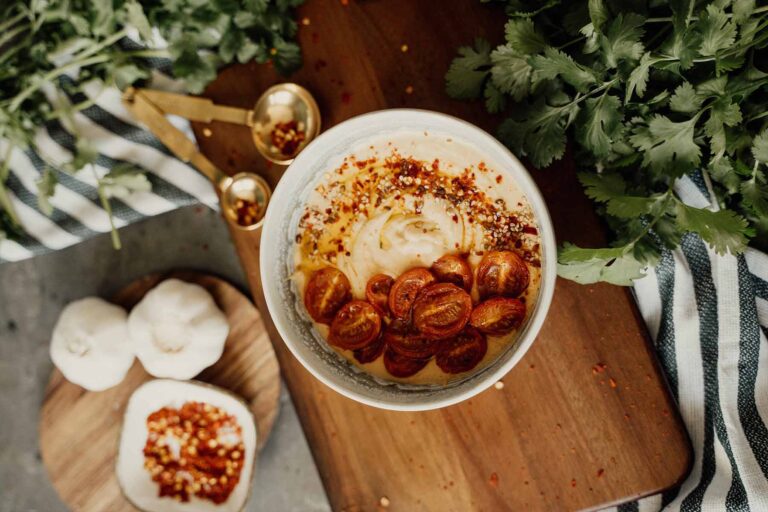
Instead of reaching for crisps, chocolate and biscuits, choose snacks that are not going to interfere too much with your glucose and subsequent insulin levels, especially if weight loss is a goal. Reach for snacks such as carrots and hummus which will provide you with excellent nutrition – think of these as a supplement to your main meals.
3. Treat yourself every once in a while
If you have a sweet tooth, then plan a few snack times a week that you can look forward to. A healthy relationship with food is being able to enjoy treats in moderation. Good examples of sweet treats would be nutrient-dense foods such as cinnamon and honey roasted nuts and seeds, or a home-made flapjack bursting with oats and dates.
4. Plan your snacks on your weekly food shop and don’t buy the foods that don’t make you feel good!
Planning a supermarket trip is key to good nutrition. If you are a ‘snacker’ then snacks are an important part of your weekly shop and daily energy intake. Instead of buying snacks filled with trans fats and processed foods, plan to fill your trolley with nuts, veggies and seeds which will contribute to good overall health. If there are foods that you want to stop eating, then the first step is to stop buying them. It sounds simple – it is, but this is often the hardest part.
Here are some snacking ideas:
- Olives and cherry tomatoes
- Ryvita and guacamole
- Raw vegetables (carrot, cucumber, celery, peppers) and hummus
- A portion of roasted, spiced nuts (brazil nuts, walnuts, cashews, almonds, hazelnuts)
- Roasted salted chickpeas
- Dates stuffed with almond butter