
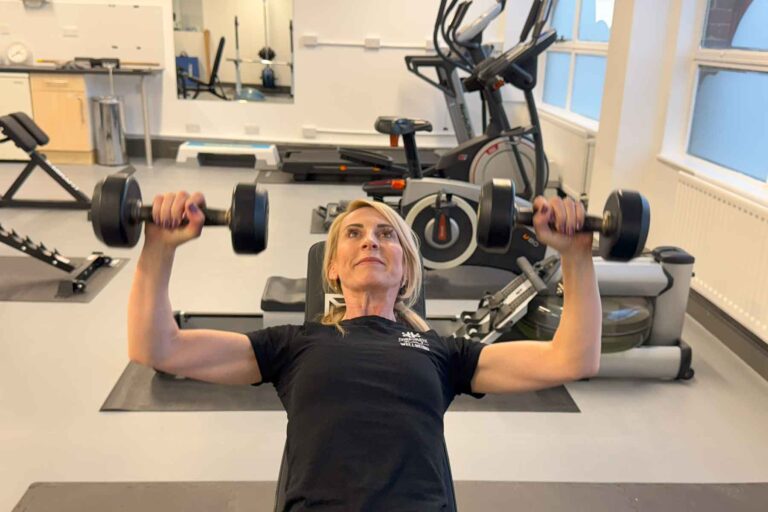
The sedentary nature of office life poses significant health risks.
Studies link prolonged sitting with obesity, heart disease, type 2 diabetes, musculoskeletal issues, and even depression. Add in work-related stress and screen fatigue, and it becomes clear why office workers often experience burnout, poor posture, and mental fog.
But the solution doesn’t have to involve early morning workouts or post-office gym sessions. A well-used lunch break — even just 30 minutes — can provide a natural energy boost, improve cognitive function, and dramatically enhance your wellbeing.
Physical activity during the workday has also been shown to:
Improve concentration and memory
Reduce stress and anxiety
Enhance creativity and problem-solving
Increase motivation and morale
Lower the risk of long-term health conditions
In short, moving at midday can help you feel better, think clearer, and work smarter. And with a little planning, it’s easier than you might think.
Five Practical Tips for Making Lunchtime Workouts Work for You
Schedule Your Workouts Like Meetings
Time is one of the biggest obstacles for office workers when it comes to fitness. The lunch hour can quickly be swallowed by emails, errands, or impromptu meetings — unless you protect it.
The most effective way to make lunchtime workouts stick is to schedule them into your diary, just like you would any professional appointment. Treat your workout as a non-negotiable commitment to your health. Blocking out that time lets colleagues know you’re unavailable, while mentally reinforcing the importance of your own wellbeing.
If your workplace uses shared calendars, consider labelling the time as a “Wellbeing Break” or “Out of Office – Fitness” to normalise self-care in your team. If possible, choose two or three regular days each week to make it part of your routine — consistency is key.
Focus on Efficient, Time-Smart Routines
You don’t need a full 90-minute gym session to benefit from a workout. In fact, the best lunchtime routines are short, focused, and energising rather than exhausting. Aim for 20 to 30 minutes of movement — enough to get your heart rate up, but not so intense that you return to your desk drained.
High-intensity interval training (HIIT), brisk walking, yoga, or bodyweight circuits are excellent time-efficient options. These workouts can be done in gyms, parks, or even in a private office space or meeting room. Many fitness apps also offer quick lunchtime workout programmes specifically designed to fit within a lunch break.
The goal isn’t to train for a marathon — it’s to interrupt long periods of sitting, reset your energy, and boost your mood.
Keep a Workout Kit Ready
One of the most overlooked aspects of working out during the day is the logistical side — changing clothes, showering, and fitting everything in without running late. To streamline the process, always keep a “workout kit” ready and close at hand.
Your kit should include:
Lightweight workout clothes (breathable, easy to change)
Trainers
A small towel
Deodorant and wipes
A water bottle
A post-workout snack (such as a protein bar or banana)
Some office workers keep their kit in their desk drawer, locker, or car. If your office has shower facilities, fantastic — but if not, opt for lower-intensity workouts that don’t leave you drenched in sweat. Even a brisk walk or moderate yoga session can provide great benefits without the need for a full change and shower.
Make It Social and Inclusive
One of the most motivating ways to stick with lunchtime workouts is to involve others. Ask a colleague to join you for a weekly walk or try a group fitness class nearby. Turning your lunchtime workout into a social activity not only makes it more enjoyable but also builds a culture of wellbeing within your team.
If your workplace encourages social wellbeing, propose setting up a lunchtime walking group or inviting a local instructor to run occasional sessions. You might be surprised how many people are eager to join once someone takes the lead.
When colleagues move together, it can spark better teamwork, communication, and morale. It also helps to normalise taking breaks for physical and mental health, rather than glorifying non-stop busyness.
Fuel Wisely and Recover Well
Exercising during the day means your nutrition and hydration habits become even more important. To avoid an energy crash, eat a light snack 30 to 60 minutes before your workout — something like fruit, yoghurt, or wholegrain toast. After your session, make time for a nourishing lunch with protein, healthy fats, and complex carbohydrates to support recovery and keep your energy levels stable throughout the afternoon.
Don’t forget to hydrate. Many people underestimate how dehydrated they become while sitting indoors, and adding a workout into your day increases your fluid needs. Keep a water bottle at your desk and sip regularly.
Finally, allow yourself a few minutes after your workout to stretch, cool down, and reset. This not only prevents stiffness but also helps you return to your work with a clearer mind and calmer nervous system.
Lunchtime Workouts: A Long-Term Investment
Ultimately, a lunchtime workout isn’t just about burning calories or getting fit. It’s a tool for resilience, mental clarity, and sustained performance in a demanding work environment.
For office workers, carving out just 30 minutes for movement during the day can offer a significant return on investment: reduced stress, better focus, improved health, and greater job satisfaction. It may take a bit of planning at first, but once established, the habit becomes a valuable and energising part of your routine.
Workplace wellbeing isn’t a luxury — it’s a necessity.
By choosing to move during your lunch break, you’re not only investing in your health but also setting a positive example for others. The benefits ripple outward, influencing your team, your productivity, and even your company’s culture.
So next time you find yourself stuck at your desk during lunch, consider this: the best boost for your day might not be another coffee — it might just be a pair of trainers and a quick burst of movement.