
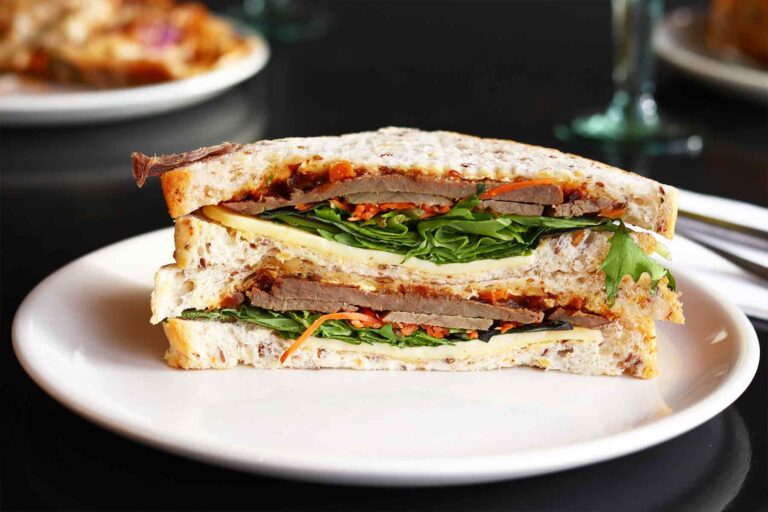
Eating ultra-processed food affects your brain.
Health experts at Corporate Personal Wellbeing and across the UK are concerned about the way ultra-processed food affects the brain’s activity at work and home.
If your diet consists of high levels of ultra-processed foods, then changes to your brain also mean it can be difficult to cut them out. This is particularly true for the younger elements of the workforce.
We have discussed dopamine before. As a neurotransmitter, when it is released into the brain it creates a feeling of pleasure. The brain registers all pleasure in the same way, positive experiences, financial success, drugs and, of course, food.
We are hardwired to get pleasure from food. It’s what keeps the human race going. We need it to survive. Throughout history, food has been hard to get and we are programmed to get pleasure when we eat.
Although the levels of dopamine released from consuming food are lower than from drugs, that doesn’t mean they are not addictive.
What is ultra-processed food?
The average person in the UK gets half of their calories from ultra-processed food.
- Unprocessed food includes eggs, fish, fruit and vegetables.
- Processed culinary ingredients include butter, salt, sugars and oils.
- Processed foods are normally a mix of the first two groups such as cheese, bacon, and sugared nuts.
- Ultra-processed foods normally contain ingredients that you wouldn’t use if you were cooking at home, such as chemicals, preservatives and sweeteners. Think bread, ready meals cereals, sausages, biscuits, reconstituted meats, soft drinks and crisps.
- These can be common ingredients in packed lunches and are often found on desks across the UK.
Lots of ultra-processed foods are high in fat and sugar and can stimulate a greater reward than normal foods.
Our bodies are programmed to get the most pleasure from the least pain and effort, so we naturally gravitate to these products that have not normally been available throughout history.
When choosing what to eat for lunch, try and address the balance and eat less ultra-processed food and more unprocessed foods.
If you want any help, either individually or in a consultancy capacity for your workforce canteen etc, then please contact us to speak with one of our qualified dieticians.