
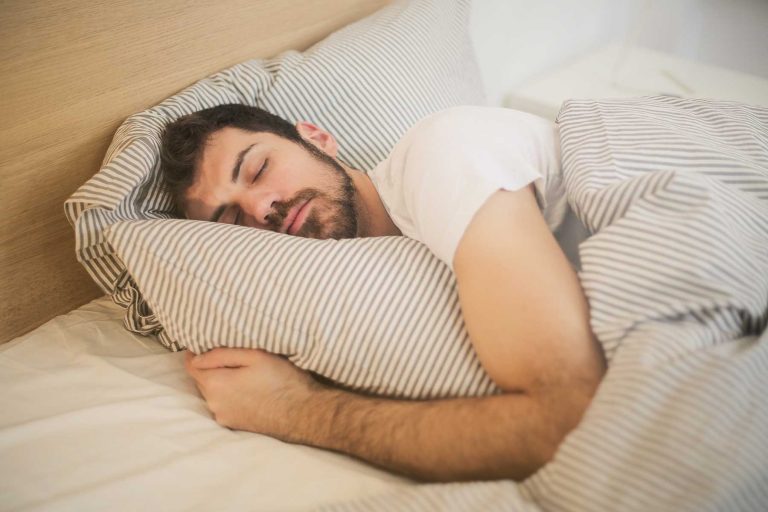
There are many definitions of sleep and reasons why it is important to both our mental and physical health. Sleep is a natural and recurring state of rest for the mind and body, during which time your eyes are closed, your body is inactive and there is no conscious thought.
However, that does not illustrate how important high quality and regular sleep is to our health and wellbeing. If your sleep is poor, your brain and body aren’t refreshed and restored – without sleep, we struggle to function.
While we are asleep, the body is directed by the brain to repair and heal itself, restoring chemical balance, and damaged or worn-out tissues are rebuilt. Your immune system makes natural killer cells to fight against disease and infection during sleep. Your pituitary gland also produces growth hormone which in children promotes growth, and in adults helps renew and repair tissue.
So, the human brain and body need this daily period of rest to:
- Improve memory
- Have a high energy level
- Keep a positive outlook that gives you the ability to deal with stress
- Be able to make good decisions and concentrate
- Maintain a strong immune system
As with any other health problem, always seek professional help from your G.P. if something is affecting your daily life and how you function regularly.
Top sleep tips
- Create your sleep sanctuary. Look at your bedroom environment and think about how to improve it. A cool, quiet dark space usually helps to improve our sleep. Also consider your comfort, maybe investing in a better mattress or pillows.
- Start to record your patterns of sleep in a sleep diary. This is helpful to do for at least 2 weeks, preferably a month though. If you need to see a G.P. for help with your sleep this is useful to them. You may spot patterns yourself even after a week and may make changes that start to help straight away.
- Switch off the screens. Millions of us are using social media, posting and scrolling through screens until late at night when we should be sleeping. Just being involved in discussions that we get stirred up about can prevent us from falling asleep. The television, a computer or mobile phone all stimulate the brain, making it difficult to relax. The light emitted from these LED screens all trick our brain into thinking it is still daytime, which also brings with it even more problems.
- Get moving. Exercise is proven to help with your sleep. So, establishing an exercise routine can improve your sleep with time. You will fall asleep faster and have a better quality of sleep. Think about how you can find ways of making small, attainable and realistic goals that will add to the level of physical activity you achieve within your day. This does not mean running a marathon every morning, simply finding something you enjoy that increases your heart rate is all that is takes.
- Think about what you eat and drink. Sugary foods, caffeine and alcohol can all play havoc with your sleep. Considering what we consume, how much and when can help our ability to sleep well if we get the balance right.