
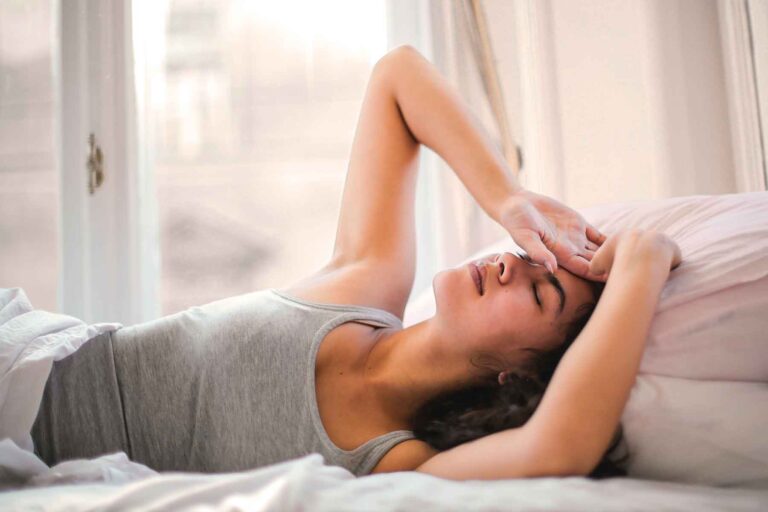
When it’s warm at night it can be difficult to get to sleep or to have a good night’s sleep.
Here are our top tips to sleep well when it is hot.
Stick to your routine
Go to bed and wake up at your usual time. Try not to change the patterns that your body has established.
Don’t nap
If it’s hot you can become tired during the day as our bodies use extra energy to keep cool. Avoid naps during the day so you will sleep better at night.
Cool the room
Make your bedroom as cool as possible. Draw the curtains or blinds during the day. Open all your upstairs windows at night to get a through breeze.
Minimal cover
Use thin cotton sheets and ditch the duvet. During the night your body temperature drops naturally. So keep a sheet handy just in case you feel cold.
Chill out
Try a small fan. A breeze makes sweat evaporate easier and you get cooler faster.
Turn your hot water bottle into a cold water bottle. Fill it with cool water from the fridge.
Put your socks in the fridge or freezer. Chilling your feet can affect the whole body.
Put a damp facecloth in the freezer and use it as a cold compress before you go to sleep.
Chill out again
This time we mean mentally. Try breathing for a count of four in and six out to relax. Avoid your phone or other blue light.
Keep calm. You will eventually go to sleep.
Drink water
Drink water during the day to stay hydrated but avoid drinking lots before you go to bed. It will make you wake to go to the loo and you want to avoid being disturbed.
Don’t drink caffeine or alcohol
Remember caffeine is in tea and many soft drinks too not just coffee. It can be tempting to have a cold beer or a glass of chilled wine when it’s hot but it will reduce the quality of your sleep and promote early morning waking.
Eat cool food
Try cool watermelon or chilled fruit from the fridge. Don’t eat too late though, it can disturb your sleep. Stick to your usual mealtimes.
Exercise early
Switch your evening exercise to a morning one. Exercise increases your temperature and you should avoid this before bedtime.
Why is it important to get a good night’s sleep?
We often take sleep for granted. It can become easy to forget the benefits of a good night’s sleep as busy work and personal lives eat into our day and we feel we just haven’t enough time. We can end up both physically and mentally drained from overexertion and not enough sleep.
Instead, why not aim for the recommended seven to eight hours a night and start seeing some of the key benefits.
Support and boost your immune system
Studies show that our immune system works more effectively when we get the proper night’s sleep. Our Immune response can be improved when the proteins and immune cells within our body have the chance to work overnight as our body is at rest.
An added benefit is that our body can work with vaccines more efficiently when well-rested. In the current climate, this has never been more important.
Cardiovascular health
Many people see exercise and diet as a way to improve our heart’s health, but sleep is just as important. Overnight our blood pressure and heart rate drop, effectively giving the heart a rest.
If we are sleep deprived our sympathetic nervous system remains active for longer and the stress on our cardiovascular system is much greater. This can lead to high blood pressure, diabetes, stroke and overall poor cardiovascular health.
Emotional and mental wellbeing
Sleep deprivation can be an indicator of many mental health issues. A lack of sleep releases stress hormones in the body and can negatively impact our mental wellbeing.
As we sleep, our brain processes a large amount of information and cutting short this process can lead to depression, anxiety and overall low mood.
Increasing sleep allows our mind to reset and give us a sense of relaxation and calmness.
Bodyweight
Studies are beginning to highlight the importance of sleep and weight management.
Although more research is required, early indicators are that as we get less and less sleep, we begin to crave higher-calorie meals later in the day.
This is to fuel our bodies as we are awake for longer hours. This requirement for calories, lack of sleep and mixed with lower activity levels can begin to affect and increase our body weight over a period of time.
Exercise and fitness
An inhibited immune system, impacted cardiovascular and mental health combined with changes in body weight all affect our fitness level and exercise.
A lack of sleep saps our body of the energy needed to grow and repair following exercise. This, along with all the other factors indicated, can greatly impact our fitness goals.
Improving sleep has a massive effect on our bodies and is something we all need to promote for ourselves.
Sleep and wellbeing at work
There are lots of other ways to get a better night’s sleep and sleep can make a great initiative for your workplace wellbeing programme. If you want any help, to improve your employees’ sleep please contact us.