
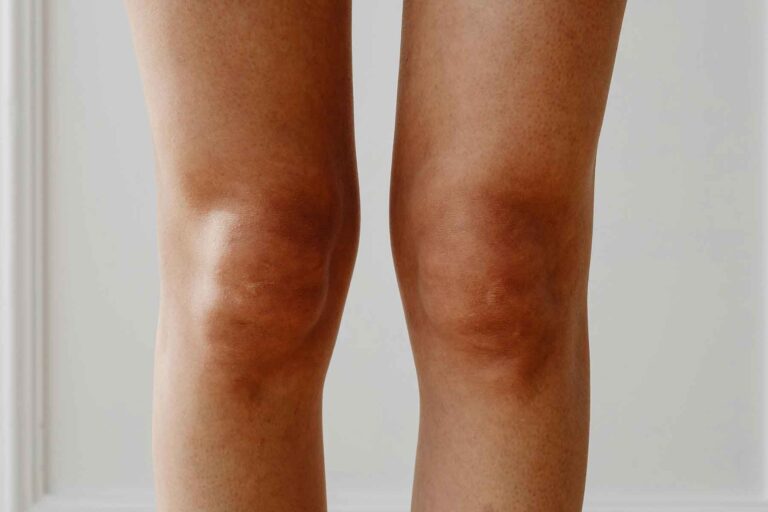
Knee pain is one of the most common complaints among office workers, despite the perception that a desk job is relatively low-risk for physical injury.
In fact, prolonged sitting, poor posture, and lack of physical activity can all contribute to knee issues over time. From dull aches to more serious conditions like patellofemoral pain syndrome or early-onset osteoarthritis, the discomfort can affect not only your productivity but also your general wellbeing and quality of life.
The good news? There are simple, proactive steps you can take to keep your knees healthy and strong—without a complete lifestyle overhaul.
In this insight, we’ll cover five practical, evidence-based tips for preventing and alleviating knee pain in the workplace.
Keep Moving—Don’t Let Your Knees Stiffen
Sedentary work is one of the biggest culprits behind knee stiffness and discomfort. When you sit for hours on end, the muscles that support the knees—particularly the quadriceps, hamstrings, and hip flexors—become tight and underused. This puts excess strain on your knee joints when you eventually do stand, walk, or climb stairs.
Solution: Introduce movement breaks every 30–60 minutes. Set a reminder on your phone or computer to get up, walk around the office, perform a few stretches, or simply stand at your desk. Even light movement, such as marching on the spot or doing ankle circles, helps lubricate your joints and prevent stiffness.
Consider alternating between sitting and standing throughout the day using a height-adjustable desk. Standing encourages more natural movement, which keeps your lower body active. Just ensure you’re wearing supportive footwear if you do stand for long periods.
Bonus tip: When sitting, avoid crossing your legs or tucking your feet under the chair, both of which can misalign the knees and affect circulation.
Strengthen the Muscles Around the Knee
A major cause of knee pain is muscle imbalance. If certain muscles are weak or overcompensating, your knees can end up absorbing more pressure than they’re designed to handle. The glutes, hamstrings, quadriceps, and calves all play a crucial role in supporting the knee.
Solution: Incorporate strength training into your weekly routine, with a focus on lower body exercises. You don’t need to hit the gym daily—bodyweight exercises performed two to three times a week can have a significant impact. Try:
- Squats: Engage glutes, quads, and hamstrings.
- Glute bridges: Strengthen the posterior chain and support hip stability.
- Step-ups: Promote balance and knee control.
- Wall sits: Build endurance in your quads and support the knee joint under load.
For best results, pair strengthening with mobility work (like foam rolling or yoga) to improve muscle flexibility and joint range of motion.
Important: If you already experience knee pain, consult a physiotherapist before starting any new exercise programme to ensure movements are appropriate and beneficial for your specific needs.
Prioritise Posture and Ergonomics
Poor posture at your desk doesn’t just affect your back and neck—it can directly impact your knees. A misaligned spine can lead to compensation in the hips and knees, often resulting in inefficient movement patterns and stress on the joints.
Solution: Set up your workspace for optimal ergonomics. Your chair height should allow your feet to rest flat on the floor with knees bent at 90 degrees. Thighs should be parallel to the ground, and there should be a small gap between the back of your knees and the edge of the seat.
If you find yourself slouching or leaning forward frequently, adjust your screen height and keyboard placement. A footrest can also help maintain correct lower body alignment if your feet don’t comfortably reach the floor.
When walking or standing, focus on good posture—head up, shoulders back, core engaged. This encourages better load distribution throughout your body, relieving unnecessary pressure from your knees.
Mind Your Footwear (Even at Your Desk)
Your feet are the foundation of your entire posture chain. Unsupportive or worn-out shoes can cause poor alignment, leading to strain in the knees. Office workers who wear dress shoes, high heels, or go barefoot on hard floors are especially prone to developing knee problems.
Solution: Wear supportive, comfortable shoes that offer cushioning and promote natural foot alignment. Look for shoes with proper arch support and a firm heel counter. If you must wear formal shoes in the workplace, consider switching into more supportive footwear when at your desk or during commuting.
Orthotic insoles or shoe inserts can also be beneficial if you have flat feet, high arches, or existing knee pain. They help align your feet and reduce shock impact during walking and standing.
At home or on casual office days, avoid prolonged use of flip-flops or walking barefoot on hard floors, which can alter your walking pattern and cause knee pain over time.
Listen to Your Knees—Don’t Ignore Discomfort
It’s easy to brush off knee twinges as ‘just part of getting older’ or ‘a bit of stiffness’, especially if they come and go. However, ignoring pain can lead to more serious, chronic conditions. Early intervention is key when it comes to joint health.
Solution: Pay attention to warning signs such as swelling, sharp pain, clicking or grinding sensations, and limited range of motion. These may indicate underlying issues such as cartilage damage, ligament strain, or patellar tracking problems.
If discomfort persists beyond a few days, seek advice from a GP, physiotherapist, or musculoskeletal (MSK) specialist. A proper diagnosis allows you to address the root cause before it worsens. Many companies, including ours, offer workplace MSK assessments or wellbeing clinics to help employees catch and resolve problems early.
Preventative action is always better than treatment. Incorporating regular movement, good posture, strength training, and suitable footwear into your routine can make a significant difference not just in how your knees feel—but in how you function throughout the day.
Office work may seem harmless to your joints, but sitting too much, moving too little, and wearing the wrong shoes can all contribute to chronic knee pain.
The good news is that most causes are preventable with small, sustainable changes.
By adopting these habits, you can protect your knees for the long term, helping you feel stronger, more comfortable, and more productive throughout the working day.
Need Support?
Our workplace wellbeing services include musculoskeletal health assessments, strength and mobility workshops, and expert advice tailored to your team. If you or your colleagues are experiencing ongoing aches or simply want to prevent future issues, we’re here to help.
Get in touch at hello@corporatepersonalwellbeing.com to find out more.