
Spending long hours seated at your desk can take its toll on your body.
Reduced movement throughout the day leads to weakened leg muscles, stiffness in the hips, and reduced circulation — all of which can contribute to aches, fatigue, and even long-term discomfort.
Your legs play a vital role in supporting your posture, balance, and overall mobility. Strong leg muscles don’t just help you move better; they also support a healthy spine, improve blood flow, and make everyday movements easier — from climbing stairs to walking to meetings.
The good news is that you don’t need a gym or workout clothes to strengthen your legs.
A few minutes of movement during your workday can make a real difference.
Below are five effective exercises you can do in most office or home-working environments to improve leg strength, reduce stiffness, and keep your body energised throughout the day.
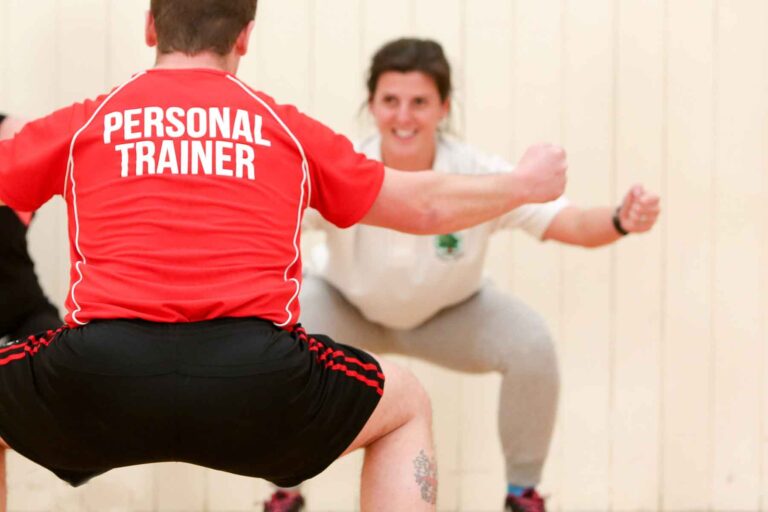
Chair Squats
Targets: Quadriceps, hamstrings, glutes, and core
Chair squats are one of the most efficient lower-body exercises you can do at work. They strengthen the muscles you use most — especially when standing up or sitting down — while improving balance and posture.
How to do it:
Stand in front of your chair with your feet hip-width apart.
Engage your core and slowly lower yourself as though you’re about to sit.
Before touching the chair, push through your heels and return to standing.
Keep your chest lifted and knees in line with your toes.
Try: 10–15 repetitions, 2–3 sets.
To make it easier, lightly tap the chair before standing up again. To make it harder, pause in the lowered position for a few seconds.
Benefits:
Builds strength in the legs and glutes.
Improves balance and core control.
Encourages proper posture during seated work.
Helps counteract the effects of prolonged sitting.
Standing Calf Raises
Targets: Calves and ankles
Calf raises are simple but effective for strengthening the lower legs and improving circulation. Strong calves help stabilise your ankles, making you less prone to fatigue and discomfort when standing or walking.
How to do it:
Stand tall behind your chair or desk, holding on lightly for balance.
Slowly lift your heels off the floor until you’re standing on your toes.
Hold for a moment, then lower your heels back to the floor.
Try: 15–20 repetitions, 2–3 sets.
For an added challenge, perform the exercise one leg at a time or lift and lower more slowly.
Benefits:
Strengthens the calves and ankles.
Improves balance and circulation.
Reduces stiffness after long periods of sitting.
Can be done discreetly at your desk.
Seated Leg Extensions
Targets: Quadriceps (front of thighs)
If you’re limited for space or can’t leave your chair, leg extensions are ideal. They help maintain thigh strength and joint stability without needing to stand.
How to do it:
Sit towards the front of your chair with both feet flat on the floor.
Engage your thigh muscles and lift one leg until it’s straight.
Hold for a few seconds, keeping your foot flexed.
Slowly lower back down and repeat on the other leg.
Try: 10–15 repetitions per leg, 2–3 sets.
For more intensity, hold each lift for longer or place a light weight (like a filled water bottle) on your ankle.
Benefits:
Strengthens thigh muscles and supports knee health.
Improves mobility and coordination.
Can be performed quietly during calls or meetings.
Desk Lunges
Targets: Glutes, hamstrings, quadriceps, and core
Lunges strengthen the major muscles in your legs while opening up your hips — an area that becomes particularly tight after hours of sitting.
How to do it:
Stand beside your desk or behind your chair with room to move.
Step one foot backwards, lowering your back knee towards the floor.
Keep your front knee above your ankle and your torso upright.
Push through your front heel to return to standing, then switch legs.
Try: 8–12 repetitions per leg, 2 sets.
If needed, hold onto your desk for balance. To progress, perform walking lunges if you have space or hold the lunge position briefly before changing legs.
Benefits:
Strengthens multiple leg muscles at once.
Improves balance and functional movement.
Stretches tight hip flexors and boosts posture.
Builds stability through the lower body.
Wall Sits
Targets: Quadriceps, hamstrings, glutes, and core
Wall sits are a powerful isometric exercise that build endurance and strength without any movement — ideal if you’re short on time or space.
How to do it:
Stand with your back against a wall and your feet about two feet forward.
Slide your back down until your knees are bent at a 90-degree angle.
Engage your core and keep your shoulders relaxed.
Hold the position for 20–45 seconds, then slowly rise back up.
Try: 3 rounds with short rests in between.
To increase the challenge, lift one heel at a time or hold for longer durations.
Benefits:
Builds lower-body strength and endurance.
Helps stabilise the knees and hips.
Encourages core engagement and focus.
Provides an energising break between tasks.
Integrating Movement Into Your Workday
The key to success isn’t performing these exercises once — it’s consistency. Try incorporating small bouts of movement every hour to break up long periods of sitting. Set a calendar reminder or use a wellbeing app to prompt you to stand, stretch, or walk regularly.
Simple habits such as standing during phone calls, walking to speak with a colleague instead of messaging, or taking the stairs instead of the lift can significantly increase your daily activity. These moments of movement add up, helping to maintain strength, focus, and energy throughout the day.
If you work in a team environment, consider encouraging others to join you. Short group movement breaks can create a shared culture of wellbeing, lift morale, and reduce fatigue across the workplace.
Why Leg Strength Matters at Work
Strong legs don’t just benefit physical health — they also support mental wellbeing. Movement releases endorphins, which boost mood and concentration, while improved circulation helps prevent that mid-afternoon energy dip many people experience.
Maintaining leg strength helps prevent issues like stiffness, poor posture, and muscle imbalance — all of which can lead to discomfort during the working day. Over time, these small, consistent exercises can make a meaningful difference to your comfort, confidence, and productivity at work.
You don’t need to spend hours in the gym to feel the benefits of stronger legs.
By taking a few minutes each day to complete exercises such as chair squats, calf raises, leg extensions, lunges, and wall sits, you’ll build strength, improve posture, and support your overall wellbeing.
The workplace is more than just a space for productivity — it’s an environment where physical and mental health should be nurtured. Incorporating small movements throughout your day is a simple yet powerful way to look after your body and boost your energy.
Strong legs support more than just movement; they support your overall wellbeing, resilience, and performance at work. Take a moment to move today — your future self will thank you.