
Depression, a common mental health condition affecting millions worldwide, remains shrouded in stigma despite growing awareness and advances in treatment.
This stigma perpetuates misunderstanding, fear, and discrimination, preventing many from seeking the help they need. Reducing this stigma is essential for creating a compassionate and supportive society where individuals with depression can thrive.
Here are several key strategies to achieve this goal.
Education and Awareness
One of the most effective ways to reduce stigma is through education. Misconceptions about depression abound, including the belief that it is merely a sign of weakness or a character flaw. Educational campaigns can disseminate accurate information about the nature of depression, its causes, and its effects. Workplaces can host workshops and seminars to inform the public about the biological, psychological, and social factors contributing to depression.
Why not consider a CPW Wellbeing Seminar, our experts can discuss in depth with your team many of the common mental health conditions and how we can promote inclusivity and awareness in your workplace.
Personal Stories and Testimonials
Hearing from those who have experienced depression first-hand can humanise the condition and break down stereotypes. Personal stories and testimonials can be powerful tools in shifting public perception. Individuals who share their journeys, struggles, and triumphs can help to raise awareness and show that anyone can suffer with depression, if the signs are there or not. When people see that depression can affect anyone—regardless of age, gender, or background—they are more likely to empathise and support those affected.
If you would like help on how to help best tell your story, our team of mental health professionals can help you to tell your story in a constructive way, so you can help others in your team who may be going through similar struggles.
Encouraging Open Dialogue
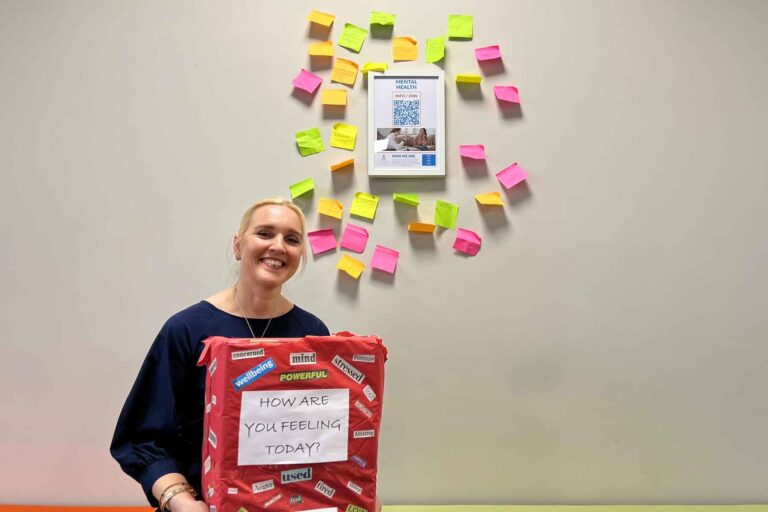
Creating an environment where open dialogue about mental health is encouraged can significantly reduce stigma. Families, educational settings, and workplaces should foster environments where individuals feel safe discussing their mental health without fear of judgment. This can be achieved through mental health training for managers and teachers, establishing support groups, and integrating mental health check-ins into regular routines.
Advocacy and Policy Change
Advocacy for mental health policies that protect and support individuals with depression is crucial. Policies should ensure access to comprehensive mental health care, protect against discrimination in the workplace, and promote mental health education. Advocates can work with policymakers to prioritise mental health funding and resources, ensuring that support is available to those who need it.
Community Support and Resources
Communities can play a vital role in supporting individuals with depression. Local organisations, support groups, and mental health services provide crucial resources and a sense of belonging. Communities should work to make these resources visible and accessible, ensuring that individuals know where to turn for help. Volunteer programs and peer support initiatives can also create a network of care and understanding.
Promoting Self-Care and Resilience
Teaching individuals about the importance of self-care and resilience can empower them to manage their mental health proactively. Practices such as mindfulness, exercise, and stress management can be integrated into daily life. Workplaces can offer programs that promote mental wellbeing, helping individuals build the skills needed to navigate life’s challenges.
Reducing stigma around depression requires a multifaceted approach involving education, open dialogue, advocacy, community support, and the promotion of self-care.
By working together, we can create a society that understands, accepts, and supports those with depression. This compassionate and informed approach will not only help individuals with depression lead fulfilling lives but also enrich our communities as a whole.