
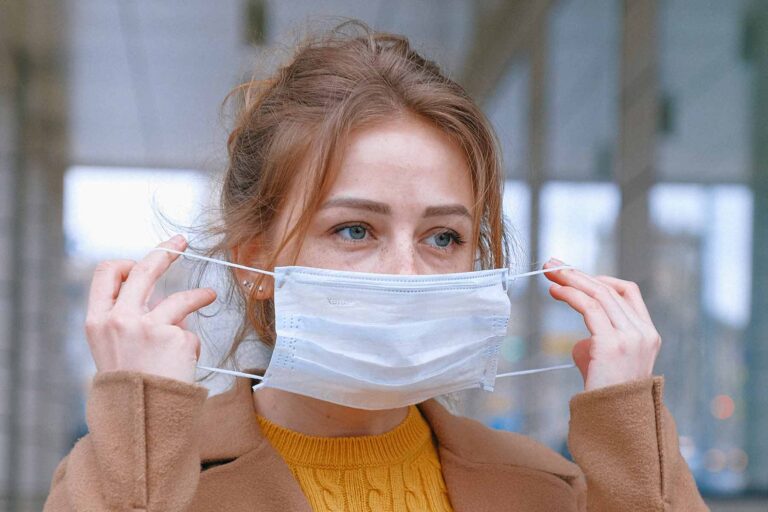
To curb the spread of the coronavirus, restrictions as to how we go about our daily lives are constantly under review and subject to change. For many, it can feel overwhelming.
It isn’t only those with ongoing mental health concerns that are feeling the effects of the ever-changing situation. At CPF we have had many conversations recently with people who are starting to feel mentally worn down by the ‘new normal’ way we are instructed to live.
Every way we turn, either at work, on the school run, at the gym, doing the grocery shopping, or having a few drinks with a meal in a local restaurant, things are different now and need more thought and planning. There is a constant reminder that the coronavirus is amongst us with track and trace, face masks and hand sanitising stations. Overall, there is no let-up, and no end in sight soon. The fear of being ‘out of control’ and ‘being unable to tolerate uncertainty’ are characteristics of several anxiety disorders, and this is why many people with pre-existing anxiety are now feeling their condition becoming worse due to Covid-19 and the rising rates of infection in the second wave.
Even though we are all keen to keep everyone safe and follow all the guidance we are given, that alone doesn’t stop anxiety building up inside some of us; making every day feel like an uphill struggle. When once upon a time a ‘dinner with friends’ may have been planned, with Grandma and Grandad babysitting, now it is more than likely postponed. By the time everyone would be ready, there would only be a couple of hours left before the restaurant closed. Then there would be the possibility of being informed by the track and trace service that the place you visited had someone tested positive for Covid-19, resulting in you now having to self-isolate and perhaps lose income, hardly making it seem the most sensible or pleasurable option anymore.
Then there is the added worry that you or your children may be asymptomatic, and you could easily infect your erstwhile babysitters. What to do?
So how do we manage these feelings and find a way through to prevent our mental health declining?
Here are a few ideas:
- Make time every day to do at least one thing that makes you feel good.
- Remind yourself that everyone is living through this unusual time. Remembering and knowing you are not the only one going through this can be reassuring and comforting.
- Stay as socially connected as possible to prevent loneliness. Reach out and talk to people and try to be there to listen to others.
- Seek professional help from your G.P. immediately if you start to feel things are becoming unmanageable and the anxiety is overwhelming.
- Take care of yourself by exercising regularly, eating well, and getting enough sleep.
- Reduce the amount of time you spend watching the news or using social media – constant updates and stories can all give you a negative outlook, so media distancing is the way forward. Also, only view trusted news sources.
- Look at finding new ways of doing things. We may have no control over the national crisis, but we do have a say in how we respond to it. If the things you used to enjoy seem to add to your anxiety, then make a list and look at alternatives. An early afternoon lunch, while the children are at school, could replace the ‘date night’. Shopping online and looking forward to the postal delivery the next day works for many, so give it a try.
- Learn about mindfulness and practice some guided meditation. Then if you do feel anxious during or following a time you have ventured into a situation which makes you feel vulnerable, you will be able to find a quiet space and focus on your breath with kindly awareness that all is well.
- Plan things you can do if you do have to self-isolate. If you experience anxiety this can be helpful as you already have things listed to do, which will keep your spirits up and prevent your mental health declining.