
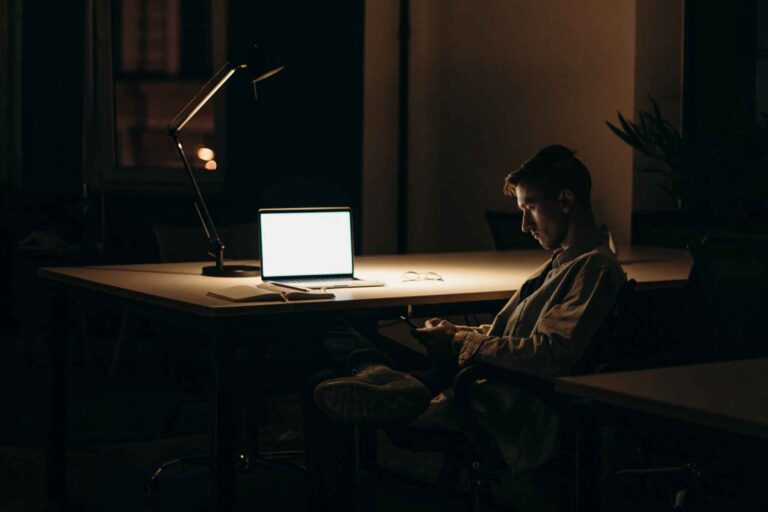
As winter arrives in the UK, the shift in daylight becomes hard to ignore.
Mornings feel darker, evenings seem to creep in earlier, and for many office workers, it can feel as though the sun has disappeared from daily life altogether. The combination of early commutes, busy work schedules, and long hours at a desk means countless people go through the winter months experiencing very little exposure to natural light. While this is often dismissed as an unavoidable part of the season, reduced daylight has a genuine and meaningful impact on both physical and mental wellbeing.
Daylight is far more than just something that allows us to see — it is a vital factor influencing how our body functions. From hormone regulation to mood, immunity, and energy levels, sunlight plays a central role in supporting our health. When the amount of daylight we receive drops, especially during winter, so does the efficiency of several key processes within the body. For office workers who spend most of their time inside buildings lit by artificial lighting, these effects can be amplified.
This article explores how daylight affects the body, why UK office workers are particularly vulnerable to winter light loss, and what practical steps you can take to support your vitamin D levels and overall wellbeing.
How Daylight Regulates Your Circadian Rhythm
The circadian rhythm is an internal 24-hour clock that influences everything from hormone release to digestion, alertness, and sleep. Natural light is the primary signal that helps keep this clock in sync. When daylight hits your eyes, it sends messages to the brain that help regulate melatonin (the hormone that makes you sleepy) and cortisol (the hormone that helps you feel awake and alert).
During summer, when mornings are brighter and evenings are lighter, most people find it easier to wake up naturally, feel more energised during the day, and sleep more soundly at night. But when winter arrives, and daylight hours shrink, this rhythm can become disrupted. As a result, many office workers experience fatigue, reduced concentration, difficulty waking in the morning, and changes in mood.
Artificial lighting, no matter how bright, cannot replicate the biological effects of natural daylight. Even well-lit offices are significantly dimmer than outdoor environments, meaning that sitting indoors all day can leave the body struggling to regulate its internal clock.
The Link Between Daylight and Mental Wellbeing
Daylight has a powerful influence on mood. Exposure to natural light encourages the production of serotonin, a neurotransmitter associated with feelings of calm, focus, and overall positivity. Reduced daylight can lead to lower serotonin levels, which in turn may contribute to low mood, irritability, and reduced energy — all of which many people experience during the darker months.
Some individuals are particularly sensitive to reduced daylight and may experience symptoms of Seasonal Affective Disorder (SAD), a form of depression triggered by long periods of low light. While not everyone will develop SAD, even mild reductions in daylight can affect motivation, concentration, and overall wellbeing.
For office workers spending prolonged hours inside artificial lighting, the effects of low daylight exposure can accumulate quickly, making it even more important to build moments of natural light into the day.
Daylight and Vitamin D Production
Vitamin D, often called the “sunshine vitamin”, is essential for bone health, immune function, muscle strength, and inflammation control. The body’s primary source of vitamin D is exposure to UVB rays from sunlight, which trigger vitamin D synthesis in the skin.
However, between October and early March, UVB levels in the UK are too low for the body to produce vitamin D naturally, regardless of how much time you spend outdoors. This seasonal limitation means that vitamin D levels often drop during winter, and office workers — already spending most of their time indoors — may be at an even higher risk of deficiency.
Symptoms of low vitamin D may include fatigue, low mood, reduced immunity, bone discomfort, and muscle weakness, all of which can affect day-to-day life and productivity at work.
The Challenges Faced by UK Office Workers
Modern working patterns intensify the effect of winter daylight reduction. Many people:
Leave home before sunrise
Spend their working hours under artificial lighting
Sit in interior rooms or away from windows
Skip outdoor breaks
Return home after sunset
This often results in very little, if any, meaningful exposure to natural daylight during the working week.
Architecture and office layout can also influence light exposure. Windowless meeting rooms, closed blinds, or workstations positioned far from natural light all limit access to daylight. Even in bright offices, people may become so focused on tasks, online meetings, or deadlines that they simply don’t have an opportunity to step outside.
Over time, this lack of daylight can contribute to fatigue, disrupted sleep, reduced mood, and overall lower wellbeing.
Tips to Improve Your Daylight and Vitamin D Levels This Winter
Take a Daily Outdoor Break
One of the most effective strategies for improving daylight exposure is simply getting outside each day, even for a short time. A 10–20 minute walk at lunchtime or between meetings can have a significant impact on regulating your internal clock and supporting energy levels.
Natural light outdoors, even on cloudy days, is far more beneficial than artificial indoor light. A short, brisk walk also helps boost circulation and can act as a useful mental reset during a busy working day.
If your schedule is consistently busy, consider blocking out this outdoor break in your calendar the same way you would for a meeting. Scheduling it makes you more likely to commit to it.
Make Better Use of Natural Light Indoors
Although indoor natural light won’t support vitamin D production, it still helps regulate your circadian rhythm, supports mood, and improves alertness. A few small changes can make a meaningful difference:
Position your desk near a window, where possible.
Open blinds fully during working hours.
Use naturally lit spaces for focused work.
Encourage your workplace to consider the importance of daylight in office design where possible.
Working near natural light also helps reduce eye strain and can make long days at a screen feel more manageable.
Consider Vitamin D Supplementation
Because the UK sun isn’t strong enough in winter to support vitamin D production, supplementation becomes an important part of maintaining health. Public Health England advises that adults consider taking a daily supplement containing 10 micrograms (400 IU) of vitamin D during autumn and winter.
Dietary sources can help too, including oily fish, eggs, fortified cereals, and fortified plant-based milks. However, diet alone is unlikely to provide adequate levels through the winter months, making supplementation a straightforward and reliable option for most people.
If you have health conditions or take regular medication, it’s worth checking with a healthcare professional before starting a new supplement.
Supporting Your Wellbeing Through the Darker Months
While the winter months can feel long and gloomy, small lifestyle adjustments can go a long way in supporting your overall wellbeing. Prioritising daylight — whether through short outdoor breaks, making the most of natural light indoors, or maintaining healthy vitamin D levels — can help counteract the effects of reduced sunlight.
For office workers especially, taking these steps can support energy, mood, sleep, and general wellbeing throughout the season. By understanding how daylight influences the body and incorporating practical habits into your daily routine, you can navigate winter feeling healthier, more alert, and more balanced.