
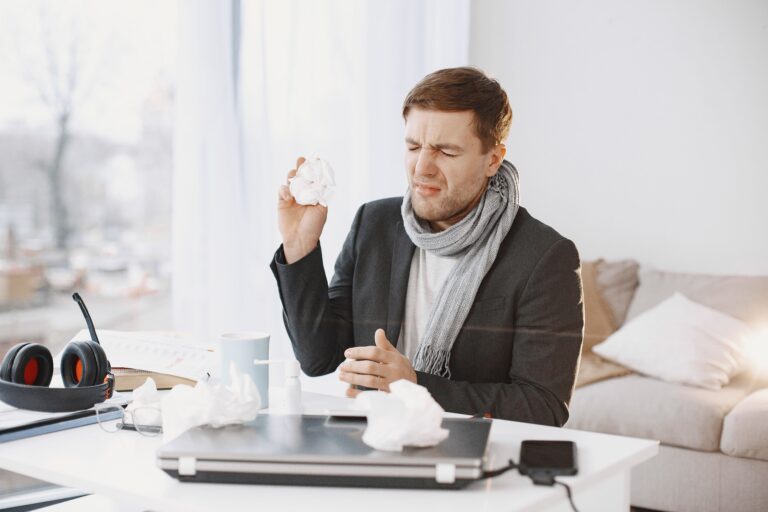
The common cold is an unavoidable part of working life.
Whether it is a runny nose, persistent sneezing, sore throat or irritating cough, cold symptoms can make even the simplest working day feel like a challenge.
Although most common colds are mild and resolve without medical treatment, they can leave us feeling tired, uncomfortable and less productive for several days. With busy schedules, work commitments and responsibilities outside the workplace, it can be tempting to carry on as normal and simply push through.
However, taking a little time to look after yourself can make a real difference to how you manage your symptoms and recover. If your symptoms are manageable at home and there are no signs of a more serious illness, these five practical steps can help you feel more comfortable while giving your body the support it needs.
Prioritise rest and give your body time to recover
One of the most important things you can do when you have a cold is give yourself permission to slow down. Your immune system is working to fight off the infection, and adequate rest helps support this process.
It can be tempting to continue working at full capacity, particularly when deadlines are approaching or you have a busy diary. However, trying to maintain your usual routine when you are feeling unwell can leave you feeling more exhausted.
If possible, take a break from work and prioritise sleep. Adults generally need around seven to nine hours of sleep each night, although you may find you need a little more when fighting an infection.
If you are well enough to work but feeling under the weather, consider reducing unnecessary commitments, taking regular breaks and avoiding strenuous exercise until you feel better.
Remember that rest is not being unproductive. Giving yourself time to recover may help you return to your normal routine sooner.
Stay hydrated throughout the day
When you have a cold, staying hydrated is particularly important. Your body needs fluids to function properly, and drinking enough can help prevent dehydration, particularly if you have a temperature or are sweating more than usual.
Water is always a good option, but warm drinks can also be soothing if you have a sore throat or blocked nose. Tea, warm water with lemon or a honey-based drink can provide some comfort.
If you are working in an office, keep a water bottle on your desk as a reminder to drink regularly. It is easy to become distracted by emails, meetings and deadlines and forget to drink enough throughout the day.
There is no need to force yourself to drink excessive amounts. Aim to drink regularly and use the colour of your urine as a simple guide: pale yellow generally indicates that you are well hydrated.
If you have a reduced appetite, soups and broths can also help provide fluids alongside some nutritional value.
Relieve symptoms with appropriate treatments
There is no cure for the common cold, and antibiotics will not help because colds are caused by viruses rather than bacteria. However, there are several ways to manage individual symptoms and make yourself more comfortable while your body recovers.
Depending on your symptoms, some useful options include:
Sore throat: Try throat lozenges or gargling with warm salt water. A warm drink containing honey and lemon can also help soothe irritation.
Blocked nose: Saline nasal sprays can help relieve congestion. Decongestant sprays may also provide short-term relief, but should not generally be used for more than seven days.
Headaches and aches: Paracetamol or ibuprofen can help manage discomfort and reduce a raised temperature, provided they are suitable for you.
Cough: Honey in a warm drink can help soothe an irritating cough.
If you are considering over-the-counter cold and flu remedies, check the ingredients carefully. Some combination products already contain paracetamol or other painkillers, so taking additional medication could mean exceeding the recommended dose.
Your local pharmacist can help you choose an appropriate treatment, particularly if you take regular medication or have an existing health condition.
The aim is not to eliminate every symptom immediately, but to make the recovery period more manageable.
Eat well and maintain a balanced diet
When you are feeling unwell, preparing meals can feel like another chore. However, maintaining a balanced diet provides your body with the nutrients it needs to support normal immune function.
You do not need to follow a special diet or purchase expensive supplements to recover from a cold. Instead, focus on eating regular, nutritious meals where possible.
Try to include:
Fruit and vegetables: Provide vitamins, minerals and antioxidants that support general health.
Protein: Foods such as eggs, fish, chicken, beans and yoghurt provide essential building blocks for the body.
Wholegrains: Oats, wholemeal bread and brown rice provide energy and fibre.
Warm meals: Soups, broths and vegetable-based dishes can be easier to eat when your appetite is reduced and can contribute towards your fluid intake.
It is also worth remembering that vitamin C, echinacea and other popular supplements are not proven to reliably prevent or shorten a common cold.
For office workers, preparation can make things easier. Keeping some nutritious, convenient meals available at home means you are less likely to rely on highly processed snacks or skip meals altogether when you are feeling under the weather.
Reduce the risk of spreading your cold to colleagues
The final step is to think about those around you. Colds are easily spread through respiratory droplets and contaminated hands or surfaces. While you may feel well enough to continue with some everyday activities, it is important to avoid passing the infection on to colleagues, friends and family.
If you have a high temperature or feel too unwell to carry out your usual activities, stay at home and avoid contact with others until you feel better.
If you do return to the workplace while recovering, there are some simple precautions you can take:
Wash your hands regularly with soap and water, particularly after blowing your nose or coughing.
Use tissues when sneezing or coughing and dispose of them immediately.
Avoid sharing cups, cutlery and other personal items.
Clean frequently touched surfaces, including keyboards, phones and desk areas.
Keep some distance from colleagues where possible, particularly those who may be more vulnerable to infections.
If your workplace offers remote working, consider using it while you recover. This can help you manage your workload without unnecessarily exposing colleagues to infection.
A little consideration can make a significant difference to the health and wellbeing of the wider workforce.
When should you seek medical advice?
Most common colds improve naturally within one to two weeks. Symptoms are often at their worst during the first two to three days before gradually improving.
However, it is important to recognise when symptoms might need further investigation. Contact your GP if you have a high temperature lasting more than three days, symptoms that are getting worse rather than improving, or a cold that has not improved after 10 days.
Seek medical advice if you experience shortness of breath or chest pain. If you have difficulty breathing or develop severe symptoms, seek urgent medical help.
People with long-term conditions, such as diabetes or heart, lung or kidney conditions, or those with weakened immune systems, should consider seeking advice earlier.
For further guidance, visit the NHS common cold advice.
Small steps can make a big difference
Although the common cold is usually a relatively minor illness, it can have a noticeable impact on your energy, concentration and ability to work.
Rather than trying to power through your symptoms, focus on the basics: get enough rest, stay hydrated, eat well, manage your symptoms and take steps to protect those around you.
Looking after yourself when you are unwell is an important part of maintaining your overall health and wellbeing. Sometimes, the most productive thing you can do is give yourself the time and space to recover.
If you require wellbeing advice for your work workforce, please contact us.
This article provides general self-care information for adults with mild symptoms. It is not a substitute for individual medical advice.