
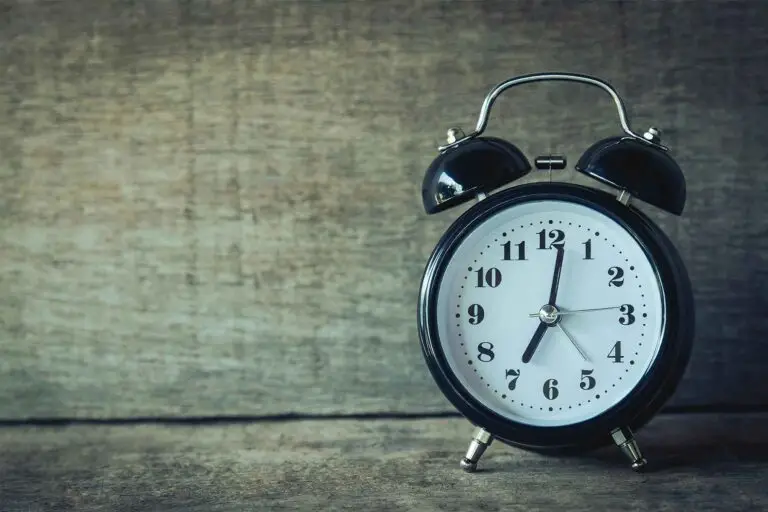
As the seasons change, so do our clocks.
Twice a year, many regions around the world participate in the ritual of changing our clocks forward or backward by one hour, commonly known as Daylight Saving Time (DST).
While the concept was initially introduced to conserve energy and make better use of daylight hours, its effects on our bodies are far-reaching and often underestimated.
From sleep disturbances to mood swings, the shift in time can have a profound impact on our overall wellbeing.
One of the most immediate effects of the clock change is disruptions in our sleep patterns. Our bodies have an internal clock, known as the circadian rhythm, which regulates our sleep-wake cycle. When we suddenly alter the time on our clocks, our internal clocks take time to adjust, leading to difficulties falling asleep or waking up at the new designated times. Research has shown that the spring transition, when we lose an hour of sleep, can be particularly challenging, as it effectively robs us of precious restorative sleep. This disruption can persist for days or even weeks, leaving us feeling groggy, irritable, and less alert during the day.
Furthermore, the shift in daylight hours can also impact our exposure to natural light, which plays a crucial role in regulating our circadian rhythm. Less exposure to natural light in the morning, especially during the darker winter months, can throw off our internal clocks, leading to feelings of sluggishness and lethargy. Conversely, increased exposure to light in the evening during the longer days of summer can make it harder for our bodies to wind down and prepare for sleep at night.
Beyond sleep disturbances, the transition associated with Daylight Saving Time has been linked to a range of other health issues. Studies have shown an increase in the number of heart attacks and strokes in the days following the spring transition, possibly due to the disruption in sleep and the stress it places on the cardiovascular system. Moreover, the change in time can also affect hormone levels, metabolism, and even immune function, leaving us more susceptible to illness.
Mood can also be significantly impacted by the clock change. Many people report feeling more irritable, anxious, or depressed during the transition periods associated with Daylight-Saving Time. This could be attributed to the disruption in sleep, changes in routine, or simply the psychological effects of adjusting to a new time schedule. For individuals already predisposed to mood disorders, such as depression or bipolar disorder, the shift in time can exacerbate symptoms and make it more challenging to manage their condition.
Interestingly, the effects of Daylight-Saving Time extend beyond our physical and mental health to influence various aspects of our daily lives. Research has shown that the transition can lead to an increase in workplace accidents, traffic accidents, and even a decrease in productivity. The sudden change in time can impair judgment, reaction times, and cognitive function, posing risks to both individuals and society as a whole.
Given the widespread impact of Daylight-Saving Time on our bodies and lives, it begs the question: is it worth it? While the original intent of DST was to save energy and make better use of daylight hours, studies have cast doubt on its effectiveness in achieving these goals. In fact, some argue that the disruptions caused by the clock change may outweigh any potential benefits. As a result, there have been calls to reconsider the practice of Daylight-Saving Time altogether.
The clocks changing may seem like a minor inconvenience, but its effects on our bodies are anything but trivial.
From disrupting our sleep patterns to impacting our mood and overall health, Daylight Saving Time can take a toll on our wellbeing in various ways. As we continue to grapple with the consequences of this biannual ritual, perhaps it’s time to revaluate its necessity and consider alternative approaches that prioritise both energy conservation and public health