
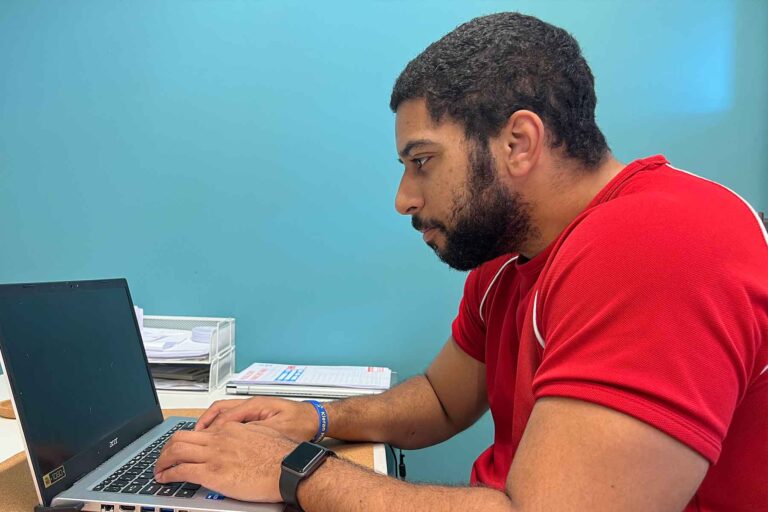
Back pain is one of the most common health complaints among workers across the globe.
Whether you work in an office, a factory, or from the comfort of your own home, your daily routines and habits can significantly impact your spinal health.
Poor posture, prolonged periods of sitting or standing, and repetitive movements are some of the key contributors to back discomfort. Left unaddressed, these issues can escalate into chronic pain or long-term musculoskeletal conditions that affect not only your productivity but also your overall wellbeing.
Fortunately, there are practical steps you can take to maintain a healthy back, improve your posture, and reduce pain in the workplace.
By adopting ergonomic practices and incorporating simple strategies into your daily routine, you can protect your spine and ensure your workday is as comfortable and pain-free as possible.
This insight outlines five actionable tips for fostering good back health in the workplace.
Whether you’re dealing with occasional aches or aiming to prevent problems in the future, these tips will help you create a healthier, more supportive environment for your body.
Prioritise Ergonomic Office Setups
Your workstation setup plays a critical role in supporting your back health. An ergonomically designed workspace reduces strain on your spine and encourages proper posture. Here are some key considerations:
- Adjust your chair: Choose a chair with adequate lumbar support and adjustable height. Ensure your feet are flat on the floor, and your knees are at a 90-degree angle. The backrest should support the natural curve of your spine.
- Position your screen: Your computer monitor should be at eye level, about an arm’s length away. This prevents you from hunching over or straining your neck.
- Use an external keyboard and mouse: Position them so that your elbows remain close to your body and form a 90-degree angle.
Investing in ergonomic equipment, or even a DSE Assessment may seem costly initially, but it’s a worthwhile investment for your health and long-term productivity.
Incorporate Movement into Your Day
Sitting or standing in one position for prolonged periods can lead to stiffness and back pain. Incorporating regular movement into your workday is essential to maintain flexibility and reduce tension.
- Take frequent breaks: Aim to stand up and stretch every 30 minutes. Use a timer or app to remind you.
- Switch positions: Alternate between sitting and standing if you have access to a height-adjustable desk. This helps distribute the pressure on your spine more evenly.
- Perform desk exercises: Simple stretches, such as seated spinal twists or shoulder rolls, can help alleviate stiffness.
Keeping your body in motion throughout the day not only supports your back but also boosts circulation and energy levels.
Maintain Good Posture
Poor posture is a leading cause of workplace-related back pain. Slouching, leaning forward, or craning your neck can place unnecessary strain on your spine. To maintain good posture:
- Sit upright: Keep your back straight and shoulders relaxed. Avoid crossing your legs, as this can misalign your hips and lower back.
- Engage your core: Strengthening your abdominal muscles helps support your lower back and maintain alignment.
- Align your head: Keep your head in a neutral position, with your ears in line with your shoulders. This prevents neck strain and promotes spinal health.
Practising mindfulness about your posture can make a significant difference in reducing back pain over time.
Strengthen Your Back and Core Muscles
A strong core provides essential support for your spine and reduces the risk of injury. Regular exercise targeting your back and abdominal muscles can enhance your posture and alleviate discomfort.
- Stretch daily: Include stretches that target your back, hamstrings, and hip flexors. Yoga poses like child’s pose or cat-cow are particularly beneficial.
- Do strength training: Incorporate exercises such as planks, bridges, and bird-dogs into your routine to build core stability.
- Consider a fitness class: If possible, join a Pilates or yoga class to improve your strength and flexibility under professional guidance.
Even a few minutes of focused exercises each day can yield noticeable improvements in your back health.
Manage Stress Effectively
Stress is an often-overlooked factor that can contribute to muscle tension and exacerbate back pain. High stress levels can lead to poor posture, shallow breathing, and a general sense of physical discomfort.
- Practice relaxation techniques: Activities such as deep breathing, meditation, or progressive muscle relaxation can help reduce stress and muscle tension.
- Set realistic boundaries: Overworking can increase stress and physical strain. Ensure you’re taking regular breaks and not overloading your schedule.
- Create a supportive environment: A tidy, organised workspace can contribute to a sense of calm and reduce mental stress.
By addressing the root causes of stress, you’ll not only improve your mental health but also alleviate physical symptoms, including back pain.
Maintaining good back health in the workplace requires a combination of ergonomic adjustments, movement, posture awareness, physical fitness, and stress management.
By implementing these five tips, you can create a more comfortable and supportive work environment that promotes long-term spinal health. Remember, small changes to your daily routine can have a big impact on your wellbeing. Take proactive steps today to prioritise your back health and enjoy a pain-free, productive work life.