
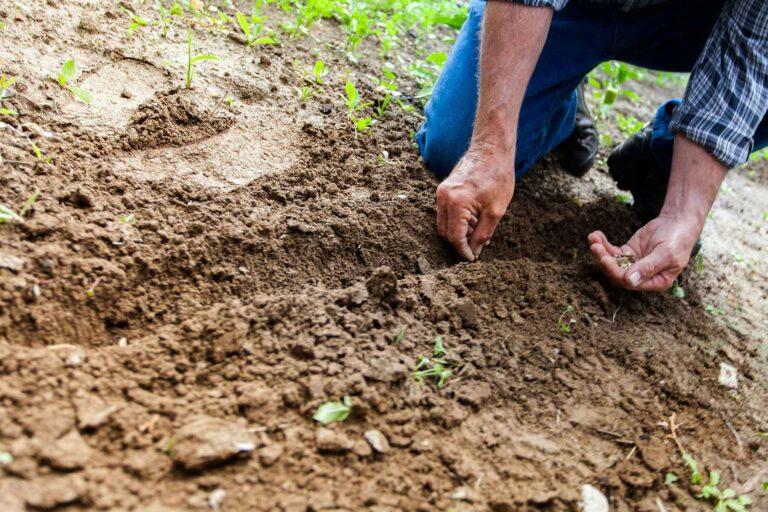
This week marks National Gardening Week – a perfect moment to pause and reflect on the powerful, often overlooked, impact that nature can have on our health and wellbeing.
For many working people, juggling the pressures of deadlines, meetings, and life outside of work, it can be easy to fall into the habit of staying indoors, glued to screens, with little time spent outside. Yet, reconnecting with nature – even in small ways like tending to a garden, visiting a local park, or simply stepping into the fresh air – can bring profound benefits.
Nature has an extraordinary ability to restore, recharge, and revitalise us, both physically and mentally. Gardening, in particular, offers a unique combination of physical activity, exposure to fresh air, and the calming effects of being close to green spaces.
In honour of National Gardening Week, let’s explore the many ways that getting outdoors can support working individuals in living healthier, more balanced lives.
Escaping the Indoor Rut
For most working professionals, the bulk of the day is spent indoors – whether that be at a desk, in meetings, commuting, or at home in the evenings. Over time, a predominantly indoor lifestyle can contribute to a host of problems: increased stress, poor posture, eye strain, lower vitamin D levels, and reduced fitness levels, to name a few.
Stepping outside even for a short period each day can help to counterbalance these effects. Exposure to natural daylight is critical for regulating our circadian rhythms – the internal body clock that governs sleep and alertness. Natural light boosts serotonin levels, improving mood and helping to fend off symptoms of anxiety and depression. Additionally, spending time outdoors has been shown to improve cognitive function, creativity, and problem-solving skills – essential assets for anyone navigating the modern workplace.
Incorporating outdoor activity into your daily routine need not require dramatic lifestyle changes. A walk during your lunch break, a morning coffee in the garden, or even an outdoor meeting where possible can make a noticeable difference. The key is consistency: making time each day to reconnect with the natural world.
Gardening: A Physical and Mental Workout
Gardening might not immediately come to mind as a form of exercise, but for working people looking to increase their physical activity without hitting the gym, it offers a highly effective, accessible alternative.
When you dig, plant, prune, weed, or mow the lawn, you engage a range of muscle groups, including those in the arms, legs, back, and core. Gardening tasks involve functional movements – squatting, lifting, bending, reaching – which mirror those we need in everyday life. In this sense, gardening not only builds strength and endurance but also improves flexibility and balance.
Research has found that light to moderate gardening can burn between 250 to 500 calories per hour, depending on the intensity of the activity. Activities such as raking leaves, pushing a wheelbarrow, or turning compost can increase heart rate and provide cardiovascular benefits, contributing towards the NHS recommendation of at least 150 minutes of moderate-intensity physical activity per week.
Beyond the physical, gardening has remarkable mental health benefits. Studies consistently show that spending time in green spaces reduces cortisol – the body’s main stress hormone. Gardening encourages mindfulness, allowing individuals to focus on the present moment, observe small changes, and develop a deeper sense of connection with the living world. For working people often caught in the cycle of busy schedules and digital distractions, this slow, attentive engagement can be profoundly therapeutic.
A Breath of Fresh Air (Literally)
One of the simplest yet most powerful benefits of getting outdoors is the improvement in air quality. Indoor environments, particularly those with poor ventilation, can accumulate pollutants, allergens, and stale air. Prolonged exposure to indoor air pollutants has been linked to a range of health issues, from headaches and fatigue to respiratory conditions.
Stepping outside for fresh air helps to oxygenate the body more efficiently, which in turn boosts energy levels, improves brain function, and supports overall wellbeing. Outdoor environments, particularly green spaces with abundant plant life, naturally filter the air, providing cleaner oxygen for our bodies and minds.
For gardeners, the benefits are twofold: not only do you reap the rewards of being outdoors, but the very act of nurturing plants contributes to the production of more clean air. Tending a garden is, quite literally, investing in your own oxygen supply.
Vitamin D: The Sunshine Vitamin
Vitamin D is essential for maintaining healthy bones, supporting immune function, and regulating mood. Yet many working people, particularly those who spend the majority of their day indoors, are at risk of vitamin D deficiency, especially during the darker months.
Gardening offers a practical solution. Spending time outdoors exposes the skin to sunlight, prompting the body to produce vitamin D naturally. Even short sessions – around 10 to 30 minutes a few times a week – can be enough to maintain healthy levels, depending on skin type, weather, and location.
Of course, it’s important to balance sun exposure with skin protection, especially during the summer months, but with a mindful approach, gardening can be a valuable contributor to maintaining healthy vitamin D levels year-round.
Boosting Resilience and Wellbeing
Nature has a unique ability to foster resilience. Working people often face fluctuating workloads, tight deadlines, and varying levels of pressure. Regular exposure to outdoor environments has been shown to bolster emotional resilience, helping individuals to better manage stress and recover from challenging experiences.
Gardening, specifically, cultivates patience and persistence – two skills that are equally valuable in the professional world. Plants do not grow overnight; they require consistent care, adaptability, and an understanding that progress is often slow but steady. Observing the natural cycles of growth, change, and renewal can offer a broader perspective, reminding us that periods of hard work are often followed by reward and renewal.
Moreover, gardening projects provide a tangible sense of accomplishment. Watching seeds you have planted flourish into vibrant plants or harvesting produce from your own efforts can instil a deep sense of pride and satisfaction – a much-needed antidote to the often intangible achievements of the working world.
Social Connection and Community
Although gardening can be a deeply personal and solitary pursuit, it also offers opportunities for social connection. Community gardens, allotments, gardening clubs, and outdoor volunteering projects provide ways for people to meet like-minded individuals, share knowledge, and build friendships.
For working people, particularly those who work remotely or in high-stress environments, social support is a critical factor in maintaining mental wellbeing. Engaging with others in a natural setting reduces feelings of isolation and loneliness and fosters a sense of belonging.
Even simple acts, such as exchanging gardening tips with neighbours or sharing surplus produce, can strengthen community ties and contribute to a sense of collective wellbeing.
Small Steps to Get Started
If you’re new to gardening or short on time, it can feel daunting to know where to begin. However, you do not need a sprawling garden or hours of free time to start reaping the benefits. Here are a few simple ideas to get started:
Container Gardening: Grow herbs, flowers, or small vegetables in pots on a balcony, windowsill, or patio.
Raised Beds: These can be easier on the back and knees and are ideal for growing a variety of plants in a manageable space.
Vertical Gardens: Perfect for limited spaces, vertical gardens use wall-mounted planters to grow upwards rather than outwards.
Community Projects: Look for local community gardens or volunteering opportunities to gain experience and meet new people.
Window Boxes: Even a small window box can add greenery to your home environment and create a mini oasis to care for.
Starting small and gradually building confidence is key. The goal is not to create a perfect garden but to foster a habit of spending time outdoors and engaging with nature in a way that feels rewarding.
As we celebrate National Gardening Week, it’s a timely reminder that nature is not just a backdrop to our busy lives – it is a fundamental part of our health, happiness, and resilience.
For working people in particular, finding ways to step outside, tend to plants, and breathe fresh air can offer a powerful antidote to the stresses and strains of modern life.
Gardening is more than a hobby; it is an investment in physical fitness, mental clarity, emotional wellbeing, and even social connection. Whether you have a sprawling garden or a few pots on a balcony, there is space in everyone’s life to embrace the healing power of nature.
This week, why not take a step outdoors? Plant a seed, pull a few weeds, or simply sit and listen to the birdsong. Your mind and body will thank you for it – and who knows, it might just sow the seeds of a healthier, happier way of living.