
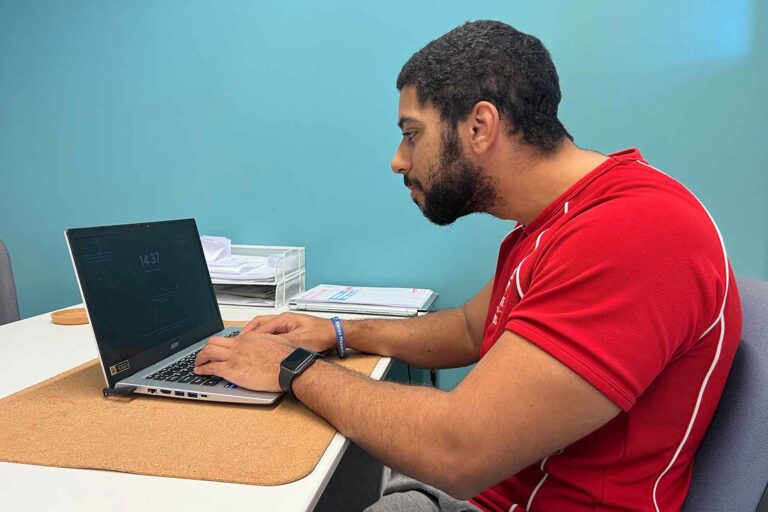
In modern office life, long hours at desks, laptops, and mobile devices have become the norm.
While technology allows us to work efficiently, the physical toll of poor posture is often overlooked. Slouching shoulders, craned necks, or leaning into screens may feel harmless in the moment, but over time, these habits can contribute to discomfort, fatigue, and reduced workplace performance.
Good posture isn’t just about looking professional—it’s directly linked to how we feel and function at work. From preventing musculoskeletal pain to improving energy and focus, posture plays a central role in productivity and overall wellbeing.
In this article, we’ll explore why posture matters, the common pitfalls of desk-based working, and practical steps you can take to align your body for better health and output.
Why Posture Matters
Posture is the foundation of movement and stability. When the body is aligned, the spine, joints, and muscles share the workload evenly. This balance reduces strain, keeps muscles strong and flexible, and supports efficient breathing and circulation.
Poor posture, on the other hand, creates unnecessary stress. Rounded shoulders, forward head posture, or a collapsed lower back can lead to:
Neck and back pain – Strain builds up in the spine and supporting muscles.
Tension headaches – Misalignment often causes tightness in the neck and shoulders.
Reduced energy – Slouching compresses the lungs, limiting oxygen intake and leaving you feeling tired.
Poor concentration – Discomfort distracts from tasks, making it harder to focus.
In other words, posture isn’t just a physical issue. It directly impacts how effectively we work and how well we feel while doing it.
The Link Between Posture and Productivity
Research shows that when employees are comfortable and free from musculoskeletal strain, they perform better. Poor posture leads to more than physical aches—it creates a cycle of fatigue, lower motivation, and reduced output.
Some key links between posture and productivity include:
Comfort equals focus – When the body is properly supported, there’s less physical distraction, allowing full attention on work.
Energy levels rise – An open, upright posture supports healthy breathing, oxygen flow, and circulation—all essential for sustained concentration.
Confidence and communication improve – Standing or sitting tall not only affects how others perceive you but also influences how you feel about yourself, boosting self-assurance in meetings and presentations.
Fewer sick days – Correct posture reduces the risk of musculoskeletal problems, a leading cause of workplace absence.
A small shift in posture can therefore have significant benefits for both individual employees and businesses as a whole.
Common Postural Pitfalls in the Workplace
Awareness is the first step to change. Many office workers fall into these common traps:
Forward head posture – Leaning towards the screen causes the head to move in front of the shoulders, placing strain on the neck and upper back.
Rounded shoulders – Hunching forward collapses the chest and tightens shoulder muscles.
Collapsed lower back – Sitting without proper lumbar support causes the pelvis to roll backwards, straining the lower spine.
Crossing legs or perching – These habits may feel comfortable but can twist the spine and reduce circulation.
Long periods without movement – Even with good posture, staying in one position for too long leads to stiffness and discomfort.
By identifying these habits, you can start making conscious adjustments throughout the day.
Practical Steps to Improve Posture at Work
Improving posture doesn’t necessarily mean overhauling your entire routine. Small, consistent changes can make a big difference:
1. Check Your Desk Setup
Your workstation should support natural alignment. Ideally, your screen should be at eye level, your chair should provide lumbar support, and your feet should rest flat on the floor. Adjusting these elements helps prevent common postural issues.
2. Sit Tall and Open
When seated, think of lengthening your spine, drawing your shoulders back, and keeping your head in line with your body. Avoid slouching or leaning too far forward. A simple cue is to imagine a string gently pulling you upwards from the top of your head.
3. Take Movement Breaks
Even the best posture isn’t sustainable if held for hours at a time. Aim to stand, stretch, or walk at least once an hour. These short breaks release tension, boost circulation, and refresh your focus.
4. Strengthen Supporting Muscles
Posture relies on strength and flexibility, particularly in the core, back, and shoulders. Simple exercises such as seated rows, planks, or shoulder blade squeezes can help maintain the muscle endurance needed for alignment.
5. Be Mindful of Tech Use
Smartphones and laptops encourage a “tech neck” position—looking down for extended periods. Whenever possible, raise devices to eye level and take regular pauses to reset your posture.
Beyond the Physical Benefits
Good posture isn’t just about physical comfort—it influences mental wellbeing and how we interact with others. Studies suggest that upright posture can reduce stress, improve mood, and even support better memory retention. In meetings, presenting with open, balanced posture projects confidence and engagement, helping to build stronger professional relationships.
The way you sit, stand, and move can therefore have a ripple effect—enhancing not just your personal health, but also your workplace performance and presence.
Supporting Posture in the Workplace
Employers have a key role to play in supporting healthy posture. Providing ergonomic equipment, encouraging regular breaks, and fostering a culture that prioritises wellbeing all make a difference. Small changes, such as investing in adjustable chairs or promoting standing meetings, can improve both health and productivity across the workforce.
At Corporate Personal Wellbeing, we understand how posture impacts both employee comfort and business performance. That’s why we offer Display Screen Equipment (DSE) Assessments to help ensure workstations are set up correctly and safely. These assessments reduce the risk of strain, improve alignment, and support long-term health for your team.
Find out more here: Display Screen Equipment Assessments.
Posture is often seen as a minor detail, yet it’s a foundation of both physical wellbeing and workplace productivity. Poor alignment can lead to pain, fatigue, and distraction, while good posture supports energy, focus, and confidence.
By making small adjustments to your workstation, being mindful of your body throughout the day, and incorporating regular movement, you can protect your health and perform at your best.
Think of posture as more than just the way you sit—it’s an investment in your wellbeing and your success at work.