
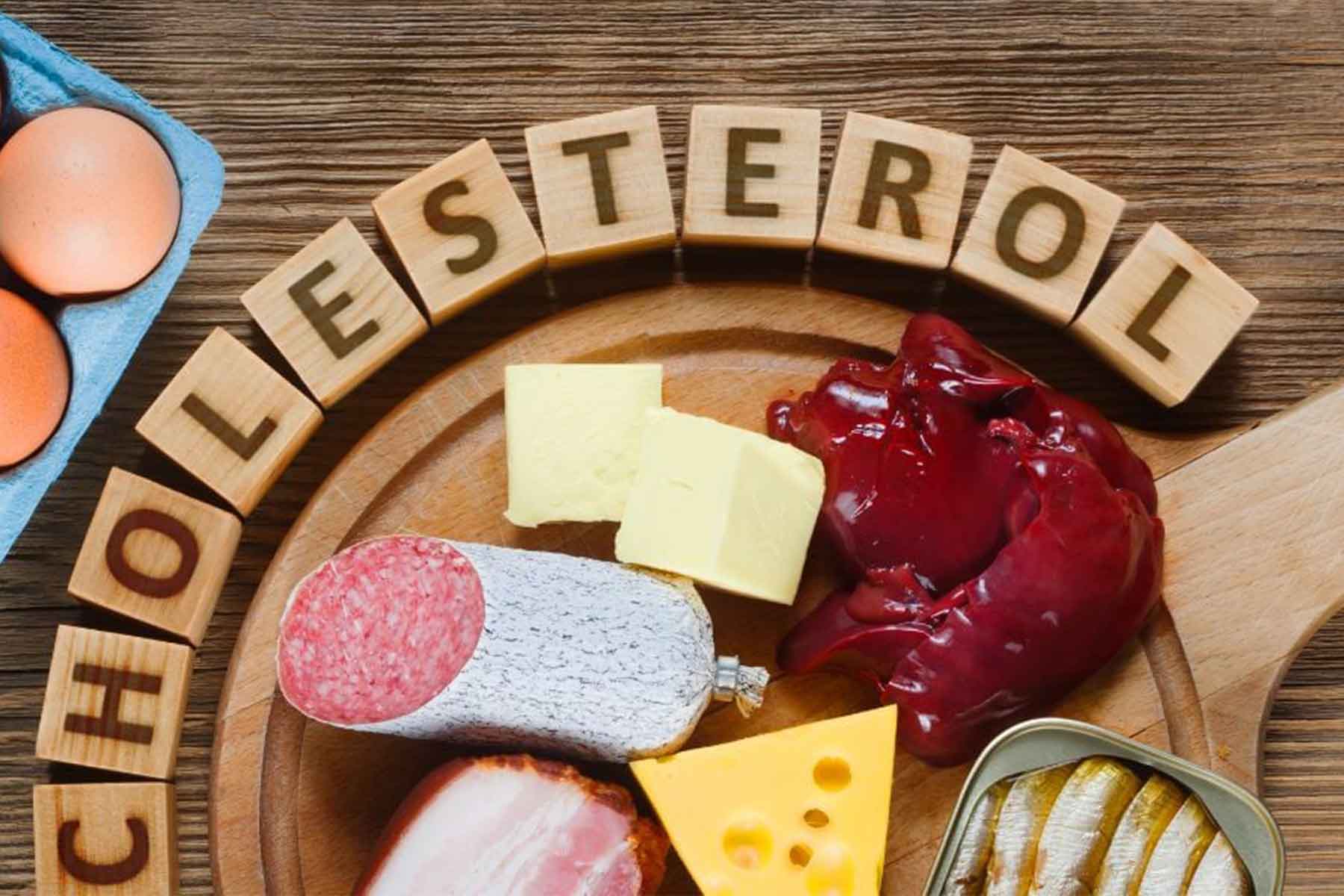
High cholesterol is a significant health concern for millions, linked directly to heart disease and stroke.
However, lowering cholesterol is very achievable through a combination of lifestyle changes, dietary adjustments, and improved physical habits.
In this article, we delve into five highly effective strategies to reduce cholesterol naturally, helping you achieve better health without drastic measures.
Adopt a Heart-Healthy Diet: The Power of Food Choices
Your diet is the primary factor influencing cholesterol levels. What you eat can either raise or lower your cholesterol, making food choices critical.
Increase Soluble Fibre Intake
Soluble fibre, found in foods like oats, barley, fruits, beans, and lentils, reduces cholesterol by binding to cholesterol in the digestive system and helping to expel it from the body. Consuming about 5 to 10 grams of soluble fibre per day can result in a noticeable reduction in LDL (low-density lipoprotein) cholesterol, often referred to as “bad” cholesterol.
Top Sources of Soluble Fibre
– Oats and oat bran
– Apples, berries, and citrus fruits
– Beans, peas, and lentils
– Barley and other whole grains
Opt for Healthy Fats
Not all fats are created equal. Saturated fats, primarily found in red meat, full-fat dairy, and some processed foods, tend to raise cholesterol levels. By replacing saturated fats with healthier options like monounsaturated and polyunsaturated fats, you can lower LDL cholesterol.
Heart-Healthy Fats Include
– Olive oil and rapeseed oil
– Nuts like almonds, walnuts, and pecans
– Avocados
– Fatty fish such as salmon, mackerel, and sardines (rich in omega-3 fatty acids)
Limit Trans Fats
Trans fats are found in many processed foods, especially those labelled as “partially hydrogenated oils.” These fats significantly raise cholesterol levels and are often associated with higher risks of cardiovascular disease. Avoiding products that contain trans fats or minimising their intake can make a substantial difference.
Get Active: Exercise to Boost Heart Health
Physical activity plays a crucial role in improving cholesterol levels. Regular exercise helps raise HDL (high-density lipoprotein) cholesterol, the “good” cholesterol, while lowering LDL and triglycerides.
Aim for at Least 150 Minutes of Moderate Exercise Per Week
Moderate-intensity exercises such as brisk walking, cycling, or swimming are effective in managing cholesterol. If you’re short on time, incorporating 75 minutes of vigorous activity, like running or aerobic dancing, can provide similar benefits.
Incorporate Strength Training
Resistance exercises, including weightlifting or bodyweight exercises, help to improve muscle tone and burn excess fat, further contributing to cholesterol management.
Consistency is Key
The key to success lies in consistency. Finding activities that you enjoy will make it easier to stick to a regular exercise routine, ensuring long-term benefits.
Maintain a Healthy Weight: The Impact of Body Weight on Cholesterol
Carrying excess weight, especially around the abdomen, is closely linked to higher LDL cholesterol and lower HDL cholesterol. Losing even a modest amount of weight can lead to significant improvements.
Set Achievable Weight Loss Goals
If you’re overweight, aim to lose 5 to 10% of your body weight over six months. This small but meaningful reduction can lower LDL cholesterol and improve overall heart health.
Focus on Nutrient Density
Rather than adopting fad diets or extreme calorie restrictions, focus on nutrient-dense foods that provide vitamins, minerals, and antioxidants. Filling your plate with vegetables, lean proteins, and whole grains is a sustainable approach to weight management and cholesterol control.
Monitor Portion Sizes
Often, portion sizes are underestimated, leading to excessive calorie intake. Paying attention to portion control is a simple yet effective way to maintain or lose weight, contributing to lower cholesterol levels.
Quit Smoking: A Major Boost to Your Heart
Smoking has numerous negative effects on health, and its impact on cholesterol is well-documented. It lowers good HDL cholesterol and damages blood vessels, making it easier for bad LDL cholesterol to build up. Quitting smoking has immediate and long-term benefits.
Immediate Benefits
Within just 20 minutes of quitting, your heart rate and blood pressure drop. After a few months, blood circulation and lung function improve, while within a year, your risk of heart disease is halved compared to that of a smoker.
Long-Term Benefits
The longer you stay smoke-free, the more your body repairs itself. Quitting smoking not only improves cholesterol levels but also drastically reduces the risk of heart attack, stroke, and other cardiovascular diseases.
Seek Support if Needed
Quitting smoking is challenging, but support is available. Whether through nicotine replacement therapy, prescription medications, or counselling, there are various resources to help you quit successfully.
Manage Stress: The Hidden Factor Affecting Cholesterol
Chronic stress can indirectly lead to high cholesterol by triggering unhealthy habits such as overeating, smoking, or avoiding exercise. Learning how to manage stress effectively is vital for maintaining good cholesterol levels.
Practice Relaxation Techniques
Incorporating relaxation techniques such as deep breathing, meditation, or yoga into your daily routine can reduce stress and promote better mental health.
Prioritise Sleep
Lack of sleep can increase stress levels and negatively impact cholesterol. Adults should aim for 7-9 hours of sleep each night to support overall health.
Stay Connected
Social support plays a key role in managing stress. Whether it’s spending time with family and friends or engaging in activities you enjoy, fostering connections helps maintain emotional well-being.
Managing cholesterol effectively is not just about one single change but a combination of healthy habits.
By adopting a heart-healthy diet, staying active, maintaining a healthy weight, quitting smoking, and managing stress, you can significantly reduce your cholesterol levels and lower your risk of cardiovascular disease.
These lifestyle adjustments may require some effort, but the rewards are well worth it. Taking control of your health today can lead to a longer, healthier life tomorrow.
Remember, always consult with your GP or healthcare provider before making significant lifestyle changes, especially if you have existing health conditions.