
Eating seasonally is a great way to ensure you’re getting the freshest and most nutritionally dense foods throughout the year.
During the winter, it’s essential to focus on foods that help keep you warm, boost your immune system, and provide essential nutrients to support overall health.
Here are our top five foods to eat in the winter.
Root Vegetables
Root vegetables like carrots, sweet potatoes, beets, and parsnips are winter staples for good reasons. They are rich in vitamins, minerals, and fibre, making them a valuable addition to your winter diet. These veggies are excellent sources of vitamin A, which is crucial for maintaining healthy skin and a robust immune system. Additionally, their high fibre content keeps you feeling full and satisfied, which can help control winter weight gain.
Citrus Fruits
Citrus fruits, including oranges, grapefruits, lemons, and clementines, are in peak season during the winter months. They are packed with vitamin C, an essential nutrient for boosting your immune system and warding off colds and flu. Vitamin C also acts as a powerful antioxidant, helping protect your cells from damage. The bright, fresh flavours of citrus can add a burst of sunshine to your winter meals.
Leafy Greens
While it may seem counterintuitive, leafy greens like kale, spinach, and Swiss chard thrive in winter. These greens are rich in vitamins, minerals, and antioxidants that are vital for overall health. They’re particularly high in vitamin K, which plays a role in bone health and blood clotting. Moreover, their fibre content aids digestion and helps keep you feeling energized and satiated during the colder months.
Whole Grains
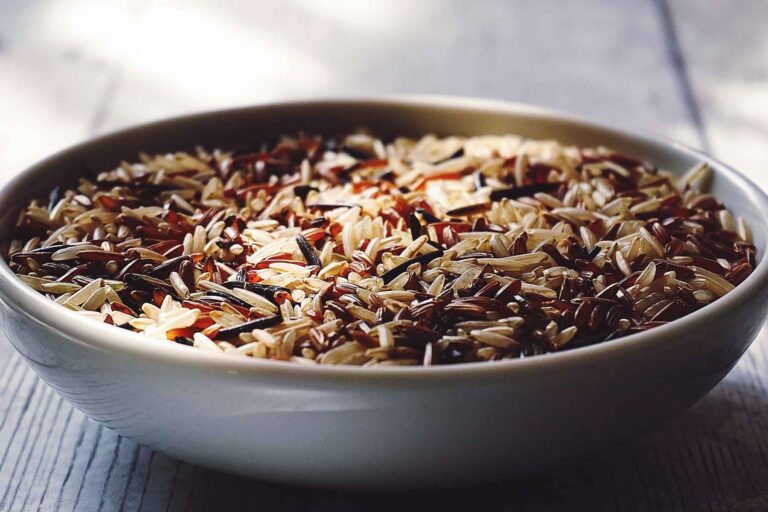
Whole grains such as brown rice, quinoa, and oats are perfect for winter. They provide a steady source of energy and keep you feeling full for longer periods, making them excellent choices for those seeking comfort food. Whole grains are also packed with fibre, vitamins, and minerals that support heart health and regulate blood sugar levels. Their slow-release carbohydrates can help stabilize mood and energy levels during the darker, colder months.
Fatty Fish
Fatty fish like salmon, mackerel, and sardines are excellent winter choices because they contain omega-3 fatty acids. These essential fats help reduce inflammation, which is crucial for maintaining a healthy immune system. Omega-3s also support brain health and can alleviate symptoms of depression and anxiety, which can be more prevalent during the winter. Additionally, the vitamin D content in fatty fish can help make up for the reduced exposure to sunlight in winter, which is essential for bone health and overall well-being.
Including these foods in your winter diet will help you stay healthy, warm, and satisfied throughout the season.