
Maintaining a healthy body clock is essential for your overall wellbeing.
During the winter months, or with travel to regions with less daylight, reduced daylight hours can affect your internal body clock. Altering your body clock can have an impact on your health, bring on fatigue and impact your immune system.
Here are our top tips to help you keep your body clock in sync.
Maximise Exposure to Natural Light
Daylight is a powerful regulator of your circadian rhythm. Try to spend as much time as possible outdoors during daylight hours. Take short walks during your lunch break, open your curtains wide to let natural light into your home or workspace, and position your desk or favourite reading spot near windows. Even on cloudy days, outdoor light exposure can be significantly brighter than indoor lighting, helping to maintain your body clock.
Establish a Consistent Schedule
Your body thrives on routine, so establish a consistent daily schedule, even during reduced daylight hours. Try to wake up and go to bed at the same time each day, including weekends. This consistency helps train your body to recognize when it should be awake and when it should be preparing for sleep. When your body knows what to expect, it’s more likely to function optimally.
Limit Evening Screen Time
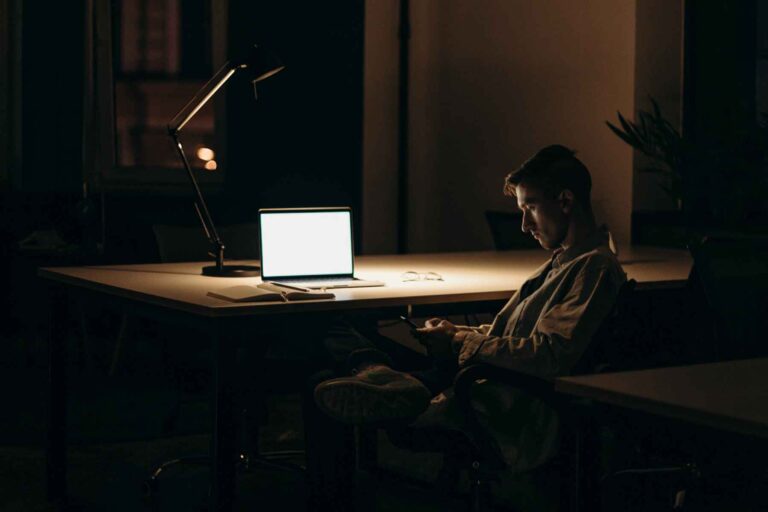
The blue light emitted by electronic screens (phones, tablets, computers, and televisions) can interfere with your body clock. Exposure to blue light in the evening can disrupt your ability to fall asleep. To maintain your circadian rhythm, reduce screen time at least an hour before bedtime. If you must use screens, consider using blue light filters or special glasses that block blue light to minimise its impact on your sleep.
Watch Your Diet and Hydration
What you eat and drink can influence your body clock as well. Avoid heavy meals and caffeine close to bedtime, as they can disrupt your sleep cycle. Try to have dinner at least a few hours before bedtime and opt for light, sleep-friendly snacks if you get hungry later in the evening. Staying hydrated is important, but limit excessive fluid intake in the hours leading up to bedtime to prevent waking up for bathroom trips.
Maintaining your body clock during reduced daylight hours requires a combination of lifestyle adjustments and environmental changes.
By maximizing your exposure to natural light, setting a consistent schedule, reducing evening screen time, and being mindful of your diet and hydration, you can help your body stay in sync with the changing light conditions. Prioritising good sleep hygiene and a healthy daily routine will ultimately contribute to your overall well-being and mood during reduced daylight.