
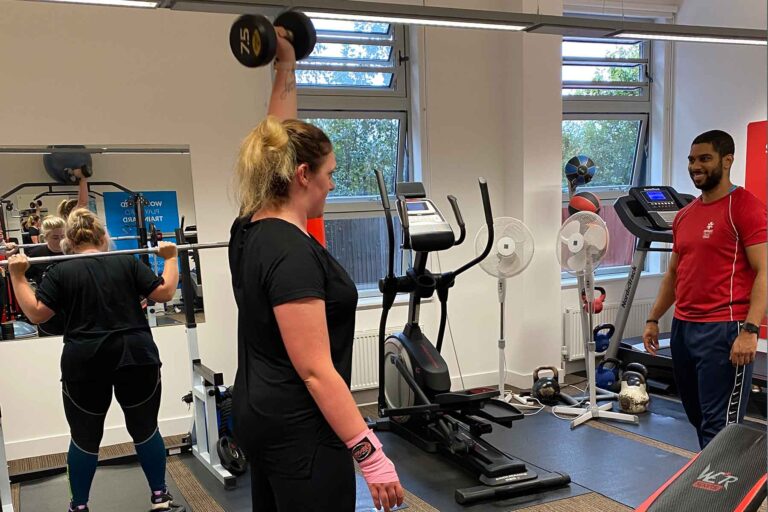
It can be difficult to navigate through the ever-growing online fitness gurus and lifestyle advice fitness influencers.
These people are often selling their latest product mainly for their profit and not your health.
Weight training can often be overlooked by those wishing to embark on a weight management journey. The benefits of weight training extend into reshaping body composition, igniting metabolic vitality, and fostering enduring wellbeing.
From bolstering metabolism to sculpting lean muscle, weight and resistance training contributes to a holistic approach to physical empowerment.
This week, we explore our top five benefits of strength training for weight management.
Increased Metabolism
Engaging in a consistent weight training routine stimulates the development of lean muscle mass. Muscle tissue demands a higher amount of energy for maintenance compared to fat tissue, even at rest. Consequently, individuals who integrate weight training into their fitness regimen experience an elevation in their resting metabolic rate. This means that their bodies continue to burn calories more efficiently, thereby contributing significantly to the overall weight loss objective.
Fat Loss and Body Composition Improvement
Weight training not only aids in shedding excess weight but also plays a pivotal role in sculpting and enhancing body composition. As individuals embark on their weight loss journey, the preservation or augmentation of lean muscle mass is crucial. Weight training effectively promotes fat loss while concurrently preserving or increasing lean muscle. This dual benefit is instrumental in achieving a more favourable and aesthetically pleasing body composition.
Afterburn Effect (Excess Post-Exercise Oxygen Consumption – EPOC)
Intense weight training sessions elicit a physiological response known as the afterburn effect or Excess Post-Exercise Oxygen Consumption (EPOC). Following a vigorous workout, the body continues to burn calories at an elevated rate during the post-exercise recovery period. This heightened calorie expenditure is attributed to the increased oxygen consumption required for tissue repair and recovery. The afterburn effect thus provides an additional and sustained calorie-burning component, contributing significantly to the weight loss process.
Improved Insulin Sensitivity
Weight training has been demonstrated to positively impact insulin sensitivity. Enhanced insulin sensitivity means that the body becomes more proficient at utilizing insulin to facilitate the transportation of glucose into cells. This efficiency reduces the likelihood of excess glucose being stored as fat. The improvement in insulin sensitivity induced by weight training not only supports weight loss goals but also contributes to overall metabolic health.
Enhanced Fat Oxidation
A consistent and structured weight training regimen has been associated with an increase in fat oxidation. This physiological adaptation implies that the body becomes more adept at utilizing stored fat as a primary energy source during both exercise and periods of rest. The enhanced capacity for fat oxidation is advantageous for weight loss, as it signifies a more efficient utilization of stored fat for energy production, further reinforcing the positive impact of weight training on overall body composition.
Whilst any fitness regime should be carefully considered, the benefits of strength and weight training are many.
It is always worth chatting with an experienced professional, who can offer guidance and advice on what is best for you. Increasing activity levels should be done alongside lifestyle changes including diet, hydration, and sleep.
All of this can be discussed with you by one of our experienced Personal Trainers or Sports Therapists. To get in touch with one of the team email us or call 01325 401110.