

Currently, we are working in unprecedented times, and this can cause a lot of stress, anxiety, and worry.
Read on to find out how you can ease anxiety at work or at home.
For many of us, our working environments may have changed. We may be working from home or about to move back to the office or trying flexible working, or maybe the working environment has stayed the same, but we are now feeling the added stress of COVID-19 and the unpredictability and uncertainty this brings. Now more than ever, it is vital to take time out to look after ourselves, both in body and in mind.
The role of avoidance in maintaining anxiety:
If we are feeling anxious, then it is natural to not want to confront situations that we find difficult or that cause us a lot of anxiety.
In the short term, this may help us to feel better as we do not have to face up to stressful or difficult situations.
However, in the long term, this can increase levels of stress as we have to face up to an even more difficult situation.
As restrictions ease you may find an increase in anxiety as we start to go back to work, being around people more, and going back into social situations etc.
This is a completely normal way to feel, however, if you feel you are unable to do these things and are currently avoiding these situations speaking to our mental health practitioners can help you with this process.
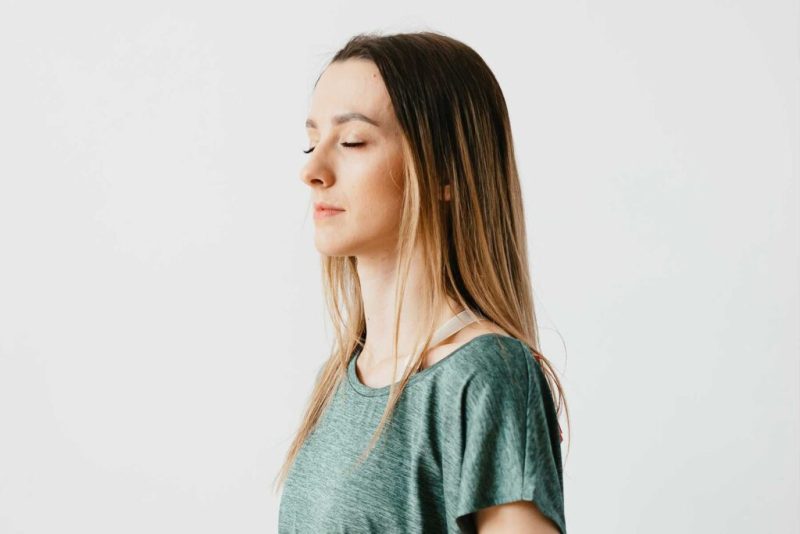
A tip to help manage levels of anxiety is practising mindful breathing. Mindfulness means paying attention in a particular way: on purpose, in the present moment, and non-judgementally.
Being mindful helps us to train our attention. Our minds wander about 50% of the time, but every time we practise being mindful, we are exercising our attention ‘muscle’ and becoming mentally fitter. We can take more control over our focus of attention, and choose what we focus on, rather than passively allowing our attention to be dominated by that which distresses us and takes us away from the present moment. Mindfulness techniques can help focus our mind and redirect our attention away from anxious thoughts.
Mindfulness might simply be described as choosing and learning to control our focus of attention. This is a skill to learn, when you first practise the techniques, you may find your mind wanders often and you struggle to keep your attention focused; this is completely normal. It takes time and practice. The more you do it the better you become at being mindful.
Here is a step-by-step guide for a mindful breathing exercise:
- Bring your attention to your natural breath, observe the sensations of your breath as it moves in and out of your body.
- Inhale through your nostrils if you can, and feel your belly fill with air, expanding the diaphragm.
- Exhale through the nose, allowing the belly to gently fall.
- After a few rounds, on the inhalation count to 4, then hold for 2 seconds
- On the exhalation, count to 4 and hold for 2 seconds again, repeat this process for a few rounds of breath.
This is a great exercise to bring calmness to the body and the mind which can help manage anxiety. This exercise also allows you to practise bringing focus to your mind, away from unhelpful anxious thoughts.