
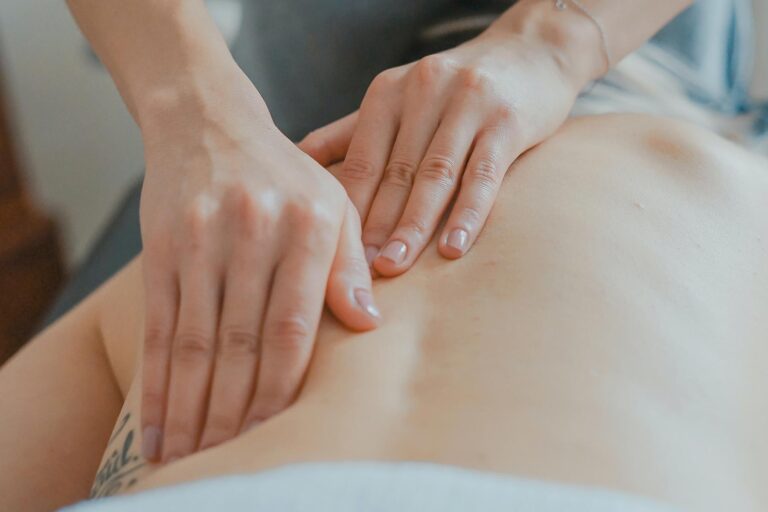
If you have ever had lower back pain, you will understand the need to prevent it from becoming worse or returning.
It is a pain that can eat away at you and can affect your mental wellbeing.
Expert personal trainer at Corporate Personal Wellbeing, Johnny Harrison, said: ”I have suffered lower back pain and it returns if I don’t keep up with my stretches. They don’t take long and have been included in many of our wellbeing videos.”
Four out of five people experience back pain at some point, making it the second most common reason for visiting the doctor. Back pain takes various forms, from a persistent dull ache to sudden sharp pain, and has many causes.
Sometimes it results from a sprain, fracture, or another accidental injury. It can stem from a disease or medical condition, such as arthritis, fibromyalgia, or spinal stenosis – a narrowing of the spinal canal through which the spinal cord runs. Many people develop back pain in part because they are sedentary.
Treating back pain is very similar to preventing it.
Johnny explained: ”I always treat it like a traffic jam and explain to people that we are trying to ease pressure and tension from the spine, rarely actually touching the area where the pain is stemming from.”
Here are some expert tips to help you avoid back pain:
Strengthen your core
- This doesn’t mean going to the gym for hours every week. Simple exercises like glute clenches can engage your glutes, straighten your spine, and engage your core.
- While seated push your pelvis forwards and hold for 10 seconds, relax, and repeat 10 times. Your colleagues won’t even know you are having a workout at your desk.
- You could also try sitting on a yoga ball at your desk for 20 minutes per day. These are inexpensive and a great way to strengthen your core muscles whilst sitting at your desk. If you have any back problems only use the ball for short periods and build up completing your back stretches alongside.
Lifestyle changes
These can have an effect on your overall wellbeing and also on your back health.
- Move more – standing and moving helps your body to lubricate your joints and spine.
- Drink more water.
- Stop smoking.
- Manage your stress.
- Get plenty of restorative sleep.
- Eat an anti-inflammatory diet.
Take action
If you are suffering from a bad back or you want to prevent getting one there is lots of help available.
If you sit for long periods, the most important element is getting your workstation correct with one of our DSE assessments.
Once this is in place you can take control by strengthening your core, stretching and some lifestyle changes. It may seem daunting looking at the list, but just choose one each week and build it up.
Take care and remember we’ve got your back 😉