
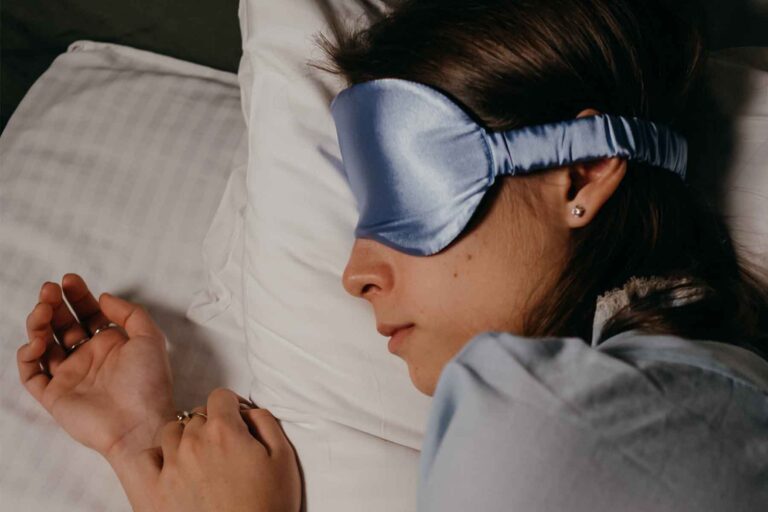
Sleep is a very important factor in your wellbeing.
If you get it right it can transform your life and if you get it wrong, it can be disastrous.
There are lots of things that can affect your sleep such as stress exercise, daylight, routine, and your environment but there is one factor in particular that you can easily address and that is your diet. Not a specific diet but what we eat and drink in general.
It may be an old wives’ tale that says eating cheese can give you dreams… unless your name is Wallace. But studies show that there may be some truth in it. Undoubtedly, food affects your sleep.
Mealtimes are important for your circadian rhythm. It is important to look at what time of the day you should eat.
What should we eat to get a good night’s sleep?
As well as when we eat, we should be mindful of what we eat.
If your diet is rich in nutrients, it could help your sleep. Recent studies suggest that having a diverse range of microbes in your gut may help.
Professor Tim Spector is famous for the ZOE app, reaching millions of us with Covid related advice. But before that Professor Spector’s focus was on gut-health. He advised eating 30 different plants a week and a mixture of grains, pulses, nuts seeds and herbs as well as fruit and vegetables.
How drinks can affect your sleep
You don’t have to cut your coffee but be aware of when you drink it. The caffeine from coffee will be in your system for around six hours after you drink it. After twelve hours it will have reduced by 75%. Coffee can not only prevent you from getting to sleep, but it can reduce the quality of your sleep too.
A similar thing happens with alcohol which blocks rapid eye movement or REM sleep. Although alcohol is a sedative, sedation is not the same as natural restorative sleep.
While we know the benefits of hydration, drinking two litres of water a day can be problematic if we try and consume it all before bedtime. Drinking too much water before sleeping will cause you to wake frequently throughout the night.
The effectiveness of drinks to aid sleep, such as hot milk, depends on your habits. If you normally drink it and stop, it can give you a poor night’s sleep. Likewise, if you don’t normally have a glass of hot milk before bedtime and then start to, it can have the same detrimental effect.
Back to old wives tales… Chamomile is one of the most ancient medicinal herbs known to mankind but research suggests having a cup of chamomile tea before bed may have a beneficial effect on sleep but clinical trials are notable for their absence.
Sleep and wellbeing at work
There are lots of other ways to get a better night’s sleep and sleep can make a great initiative for your workplace wellbeing programme. If you want any help, to improve your employees’ sleep please contact us.