
World Mental Health Day has passed.
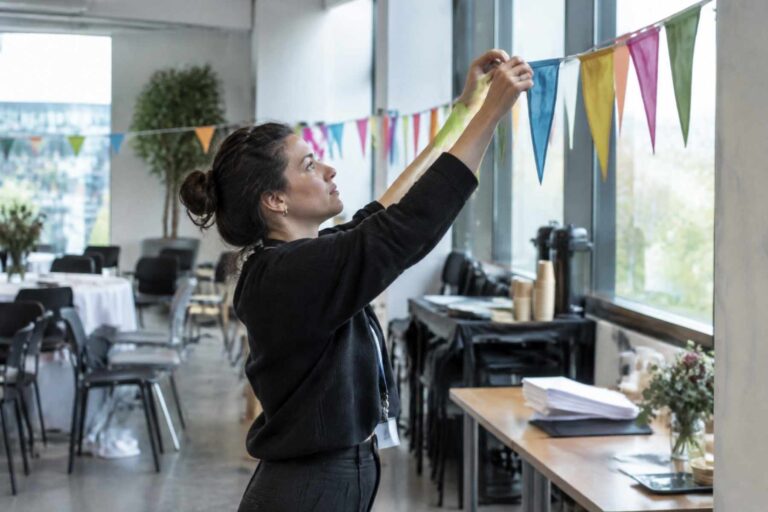
The cupcakes have disappeared, the LinkedIn photograph has done its rounds, and somebody is putting the bunting in a cupboard.
Now comes the part that rarely gets photographed: making work better.
The theme for 10 October 2026, “Lived experiences heard: real voices, real change”, offers companies a challenge. People who have experienced mental health difficulties should help shape the decisions and support that affect them. Inviting someone to tell their story, then carrying on exactly as before, rather misses the point.
It is the corporate equivalent of conducting a staff survey, then filing the results somewhere so secure that even change cannot reach them.
Start by listening properly. Ask employees what helps, what makes things harder, and what happens when they seek support. Offer private conversations and anonymous feedback. Invite willing colleagues with lived experience to help review policies and services, without expecting anyone to disclose personal information or become the office spokesperson.
Then show what changed. A modest improvement that employees requested is worth more than a magnificent wellbeing strategy that exists principally as a PDF.
Look closely at the working day. Are deadlines achievable? Do managers send midnight emails and call this “flexibility”? Can people take a break? Individual support matters, but an organisation should also tackle the pressures it creates. Teaching someone to relax while continually increasing their workload is like prescribing an early night and organising a midnight firework display.
Managers need help too. A promotion does not mysteriously confer the skills of a mental health counsellor. Mental health training can build understanding, support better conversations and help managers recognise when to involve professional services. Knowing the limits of their role is part of being useful.
Make the available support obvious. Employees should know whom to contact, how the service works and how their privacy will be protected. At Corporate Personal Wellbeing, our Proactive Employee Assistance Programme offers confidential access to mental health support, including specialist therapy, with an emphasis on addressing concerns early.
Where stress is becoming difficult to manage, our Stress Management Programme provides seven individual sessions, tailored to the person. Practical support should sit alongside action on any workplace causes, giving both employee and employer something constructive to work on.
When health affects someone’s ability to work, an occupational health management referral can help clarify their needs and guide decisions about adjustments or returning after absence. It gives managers professional advice when guesswork is unhelpful.
Over the next month, choose a few achievable actions, give someone responsibility and set a review date. Ask employees whether support feels easier to access and whether their feedback has made a difference.
For companies wondering where to begin, a conversation with our team can help identify the support that fits their people.
The lasting value of World Mental Health Day will be found in ordinary working days: a manageable workload, a manager who listens, and proactive help that is there when needed.
The bunting can wait until next year. Your people cannot.