

A guide to workplace wellbeing for working from home, hybrid/flexible working or being office-based.
In the last few years, many companies have changed their working practices, invariably, at the behest of the government to help counter the pandemic.
Many companies flipped their policies flipped back and forth several times as instructions and advice developed and changed.
Some sectors, particularly the essential ones, have not been able to change at all. While some companies and organisations have reverted to their natural and optimal positions, many have changed their way of working for good.
There appears to be three main types of work emerging and it’s important to note the differences and make sure our wellbeing is catered for in all scenarios.
We have put together a few top wellbeing tips specifically for each way of working.
1. Working from home
Stick to your working hours
It can be extremely easy to keep working into the evening. Be careful. This can lead to burnout. You will be more effective in your job if you focus your activities into a normal working day.
Create boundaries
Just as we create time boundaries, we must try and create physical ones too. It is important to separate work and home. If you have a study at home, that’s great if not try a spare bedroom or try and convert a room into a multipurpose one.
Pro Tip | Patrick Masheder, director at Corporate Personal Wellbeing said: “During lockdown, I was lucky enough to have a study. I shut the door when I was in and shut it at night to stop me working late.”
Use a co-working space
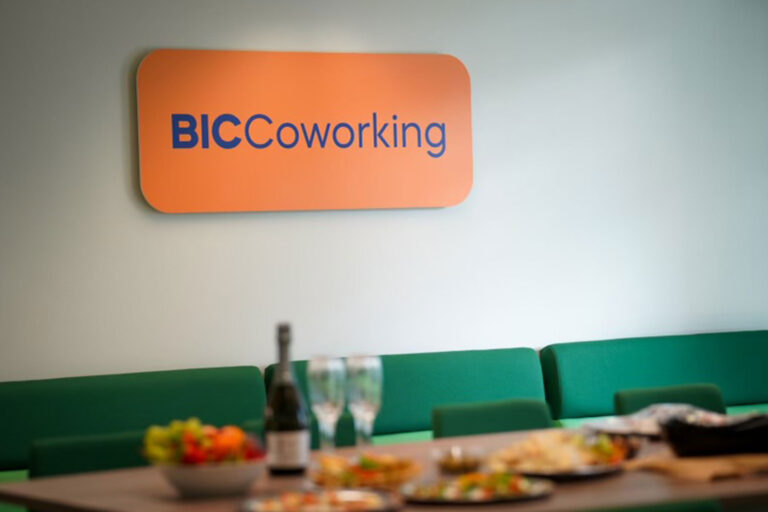
Sometimes working from home can feel lonely. Booking into a co-working space at a business centre can be a wonderful way to socialise and network in a professional environment. Even if you’re not speaking to people directly, just having people around can prevent you from feeling isolated.
Pro Tip | Vanessa Wood, manager at Business Central said: “Environments like ours are designed to be friendly and interactive which helps to foster collaboration.”
Travel to work
This sounds like an impossible task if you work from home but taking a short walk outside before and after work is not only good for your physical health it helps separate your working life from your home life and connects you with nature which in turn is good for your mental wellbeing.
Have a workstation for wellbeing
It is important to be comfortable when you are working from home. And that doesn’t mean a laptop in bed. Put a desk or table near a window if you can and make sure that your chair is the correct height for it.
Pro Tip | Johnny Harrison, director at Corporate Personal Wellbeing said: “If you are working from home permanently, then your employer should be able to provide you with a Display Screen Equipment (DSE) Assessment.”
Move move move
It can be really easy to get absorbed in the task at hand and with little to distract you sometimes you may find yourself in the same position for hours. Make sure that you take regular breaks away from your desk and ensure you take your lunch break too. Eat somewhere else and go for a walk
Pro Tip | Johnny said: “Stand up and move about every 30 minutes. Set a timer If you can. Every ten minutes or so, look away from the screen to relieve stress on your eye muscles too.”
2. Hybrid or flexible working
Balance your body clock
Try and wake at the same time whether you are in the office or at home. Stabilising your circadian rhythms will improve your sleep patterns and give you better quality sleep.
Pro Tip | Johnny said: “If you have extra time in the mornings on days you are working from home try going for a walk.”
Connect socially
When you are in the office make time to connect with people. This is your chance to build connections and strengthen relationships, improving your mental health and wellbeing.
Pro Tip | Patrick said: “Use your time in the office well. There are lots of effective ways to strengthen your mental health at work by connecting with others.”
Digitise your notes
Having your notes in the cloud means you can access them from home or the office. You’ll never forget them. Try apps such as Evernote or OneNote.
Double up
It may be worth investing in additional sets of essentials such as chargers, earphones etc then you don’t leave things at home by accident.
Schedule your interactions
Try to plan interactions and collaborative time while you are in the office. Confidential calls and focused activity are best suited to the time when you are home-based. The more organised you are, the less stressful it will be.
3. Office-based working
Use your commute
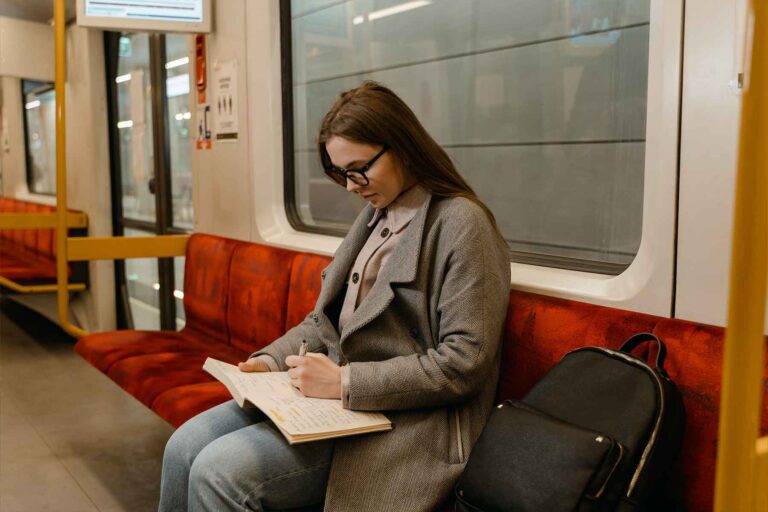
Whether you walk to work, drive, or take the bus or tube, use your time productively. Listen to a podcast or mentally plan your day. Use your home commute time back to switch from work mode to home mode and reset mentally.
Reset your circadian rhythm
If you are returning to work in the office and need an early start incrementally change your sleep and wake hours to get them back in balance.
Make your workstation your own
Returning to the office can cause some people to miss working from home. Bring some pictures, decorations, and home treasures with you. It’s easy to pop a few things in a bag. Even if you hot-desk, make it yours while you are sitting there.
Take a break
Make sure you move from your desk. Try not to cram everything in at the office. Ensure you take your allocated breaks and connect with your colleagues. Do something productive and physical at lunchtime if you can.
Think positively
Thinking positively can reduce anxiety. If you are worried about returning to the office, consider the benefits such as meeting people and chatting with your co-workers.
Pro Tip | Patrick said: “Plan some humour into your working day. It’s a great way to boost your mental wellbeing by looking forward to having a laugh.”
Be kind to yourself and others
Moving quickly back to the office can be a psychological jolt for some people. Remember to ask people how they are and seek professional help or advice if you are worried or anxious.
Pro Tip | Patrick said: “Reconnecting socially can be a stressful time for some people. Practice connecting with others before you return to the office full-time.”