
Prevention is better than cure.
At Corporate Personal Wellbeing, we aim to help prevent injuries and dysfunction by identifying the source of an issue and addressing it before it becomes a problem.
No matter the steps we take to avoid injury, there are times when we require treatment. An injury can be described as harm or hurt inflicted on a part of the body. This may arise from something as simple as soft tissue damage due to unexpected movement in the workplace, or even impact injuries from sports and physical activity.
The most common injury we see at CPW is a soft tissue injury. This is damage to either muscles, tendons, ligaments or sometimes a mixture of the three. The body’s soft tissue areas can become injured following trauma such as strain, sprain or an overload.
Depending on the severity of a soft tissue injury the treatment and length of recovery can vary. Many soft tissue injuries can be healed within 3-6 weeks, however more severe injuries can take years to fully heal. The efficiency of the healing process can be greatly improved through the use of a treatment plan from a specialist, such as our physio and sports therapists at CPW.
A common part of the treatment process is hot and cold therapy. Sometimes called cryotherapy and heat treatments, this process involves using heat and cold, or sometimes both, to aid with recovery.
Here are our key points for cryotherapy and heat treatments to aid with your soft tissue injuries.
The benefits of cryotherapy
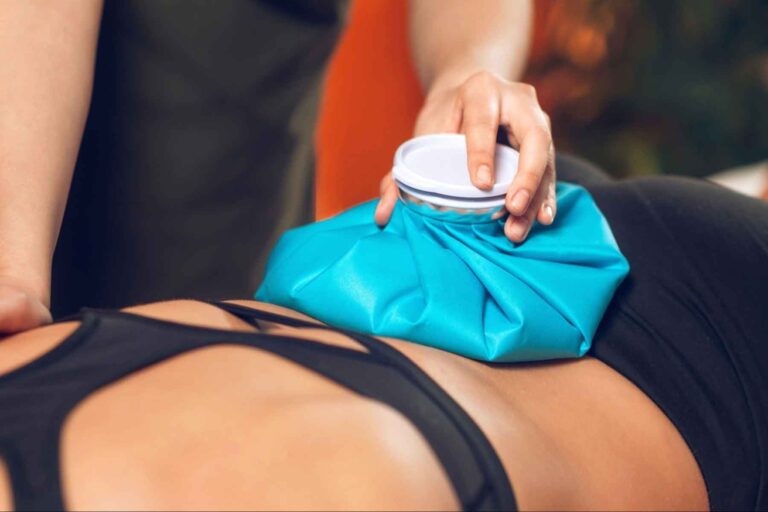
Cryotherapy, or cold therapy, is the use of therapeutic cold treatments to cool tissue during the repair process. Common methods of cryotherapy include ice packs, cool gels, ice baths or cryo cuffs.
The key reasons for using cold therapy include a reduction in perceived pain, reduced swelling and reducing muscle spasms. This is achieved by cooling the affected area triggering a nervous response and vasoconstriction of the surrounding blood vessels.
The benefits of heat therapy
Heat therapy is a treatment used to warm the affected soft tissue. The method of heating is typically heat packs or submersion in warm water. Alternatively, heat spray can also be used for on-the-go treatment. The suggested temperatures are typically 40-45°C.
Specialist heat treatments such as the use of ultrasound to cause heat-inducing vibrations may also be used by a therapist.
Heat treatments trigger vasodilation, or the opening of blood vessels, improving the supply of oxygenated blood and the removal of toxins and waste. This is a key part of the healing process. Heat can also be used to reduce the perception of pain, and local or general relaxation.
Pain gate theory
Both hot and cold treatments can offer varied levels of pain reduction. This is thought to be due to the pain gate theory. The theory suggests that inhibitory neurons in the spine ‘close the gate’ for pain signals reaching the brain. This response can be triggered by non-nociceptive impulses or impulses which don’t trigger pain such as temperature, vibration, or touch.
When to use heat or cryotherapy
Cryotherapy should be used as soon as possible following a soft tissue injury. Here the main goal is to prevent and reduce swelling as well as pain reduction.
Ice packs, gels or spray can all be used immediately after an injury. Always remember to have a barrier between the ice and skin, for example, clothing or a towel. The stages of cryotherapy are,
- Sensation of cold
- Burning/prickly sensation
- Aching
- Numbness
Apply the cold application for 10-20 minutes every 2 hours, or until the signs of inflammation have diminished.
Cryotherapy can also be used post-exercise to reduce the after-effects of a heavy session either training or in a competitive environment.
Depending on the application method, heat treatments can typically last for up to 30 minutes. Heat should only be used once the acute stage of healing has passed and inflammation is no longer present.
Heat treatments can also be used as a passive warm-up for manual or physical therapy treatments.
There are many contraindications to both hot and cold therapy. Treatment should never be undertaken when there are signs of broken skin or open wounds, circulatory issues, a reduction in sensation, discomfort and pain or signs of sickness. If you are unsure, always consult a professional.
DOWNLOAD YOUR FREE WORKPLACE WELLBEING ACTIVITY SIGNUP FORM
Print out your free A4 workplace wellbeing activity signup form.
It includes an updated waiver section for peace of mind.